
Autumn Grazing Tips for New Zealand Farming: How to Avoid Overgrazing and Build aStrong Feed Wedge
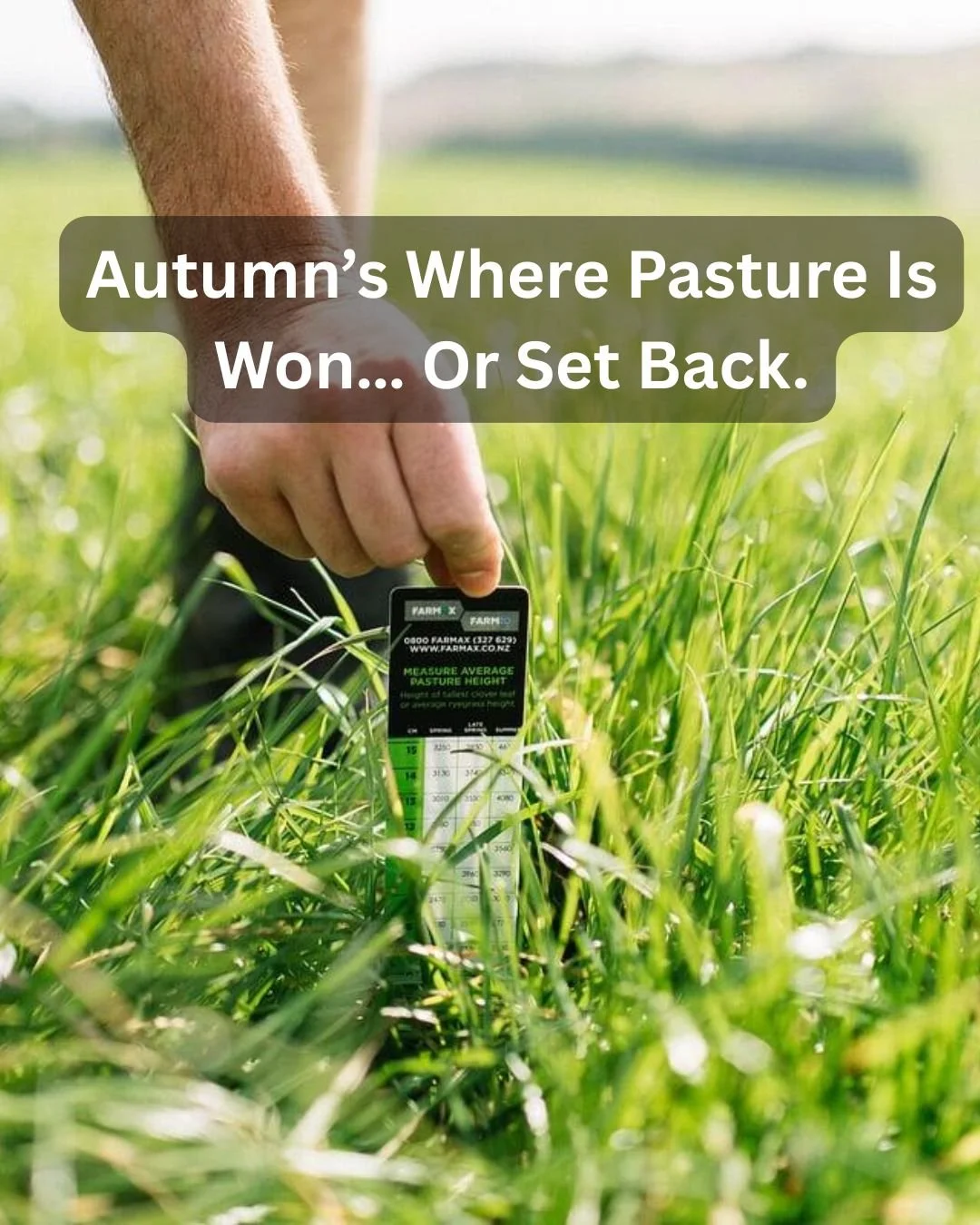
Autumn in New Zealand rarely looks the same from region to region. Some farms are still short of moisture after a dry summer.
Others have had plenty of rain. Some are battling wet soils, while others are dealing with cold winds slowing pasture
growth.
But regardless of whether conditions are dry, wet, windy, or just right, one thing
matters across every farm — protecting pasture recovery and building feed ahead
of winter.
Two of the biggest factors that determine winter success are:
Avoiding autumn overgrazing
Building a strong autumn feed wedge
Get these right, and winter becomes far more manageable. Get them wrong, and feed
shortages often follow.
Why Autumn Grazing Matters More Than Most Farmers Realise
Autumn is not just about feeding stock today — it’s about preparing pasture for winter and setting up spring growth.
When pasture is grazed too hard during autumn, the consequences last much longer than many realise.
What Happens When Pasture Is Overgrazed in Autumn
Grazing too low or too early in the regrowth cycle:
Slows pasture recovery
Depletes plant energy reserves
Reduces winter pasture cover
Increases weed invasion risk
Weakens pasture persistence
Limits early spring growth
In practical terms, this often means running short of feed when it matters most.
Safe Autumn Grazing Residuals
For most ryegrass-based pastures in New Zealand, recommended targets include:
Minimum residual: ~ 1500 kg DM/ha
Leaf stage before grazing: 2.5–3 leaf stage
Avoid repeated hard grazing
These targets help maintain plant energy reserves and support faster recovery.
Building an Autumn Feed Wedge — Your Winter Safety Net
A feed wedge is simply a surplus of pasture built during autumn and carried into winter.
It provides flexibility, reduces pressure during cold months, and supports livestock performance when pasture growth slows.
Benefits of Building an Autumn Feed Wedge
A well-built wedge helps:
Reduce reliance on bought-in feed
Maintain animal condition
Improve pasture resilience
Reduce winter feed stress
Improve early spring production
Stabilise milk and meat output
Even a small feed surplus can make a significant difference once winter conditions
tighten.
Key Steps to Build a Strong Autumn Feed Wedge
1. Slow Your Grazing Rotation
One of the most effective steps is simply lengthening rotation length.
Typical autumn progression:
Early autumn: ~ 25–30 days
Mid-autumn: 35–40 days
Late autumn: 40–50 days
Longer rotations allow paddocks time to accumulate extra pasture. Avoid grazing too early or too tight, as this reduces the ability to build a surplus.
2. Protect Residuals — Don’t Chase Every Blade
When feed gets tight, it’s tempting to graze paddocks harder.
But grazing too low is one of the quickest ways to reduce future growth.
Protecting residuals:
Maintains plant energy reserves
Supports faster regrowth
Builds pasture cover
Improves long-term productivity
Short-term feed pressure often leads to long-term feed shortages if residuals aren't
protected.
3. Reduce Grazing Pressure Where Needed
In many situations, building a wedge requires reducing demand.
Options include:
Removing unproductive stock
Grazing animals off-farm
Using sacrifice paddocks
Standing animals off in wet conditions
Removing pressure early is usually far easier than recovering lost pasture later.
4. Use Supplements Strategically
Supplement feeding is often necessary to protect pasture.
Common options include:
Silage
Hay
Baleage
Grain
Supplementing earlier — rather than later — often protects pasture growth and
improves winter feed supply.
5. Measure Pasture Covers Regularly
You cannot manage what you don't measure.
Regular monitoring allows farmers to:
Track pasture growth
Identify feed surpluses
Adjust rotation length
Make early decisions
Tools commonly used include:
Rising plate meters
Satellite pasture monitoring
Feed budgeting tools
Regular measurement ensures the feed wedge develops as planned.
Managing Autumn in Variable New Zealand Conditions
New Zealand farms experience very different autumn conditions.
Management strategies need to adapt accordingly.
Dry Autumn Conditions
When moisture is limited:
Avoid overgrazing stressed paddocks
Maintain higher residuals
Use supplements earlier
Protect surviving pasture plants
Overgrazing during dry conditions weakens pasture and delays recovery once rain
arrives.
Wet Autumn Conditions
Wet soils create different risks.
Key priorities include:
Avoiding soil damage
Preventing crown damage
Using stand-off areas
Reducing grazing pressure during wet periods
Protecting soil structure improves long-term pasture performance.
Windy and Cold Conditions
Cold winds reduce pasture growth even when moisture is available.
In these conditions:
Growth slows quickly
Recovery time increases
Residual protection becomes critical
Maintaining a feed wedge provides valuable security.
Late Autumn Management — Where Many Farms Slip Backwards
As temperatures drop, pasture growth slows significantly.
This is when mistakes become costly.
Key priorities include:
Maintaining pasture cover
Monitoring growth closely
Feeding supplements early
Protecting paddocks from damage
Late autumn is often where winter success is won or lost.
Practical Tips for Autumn Grazing Success
Simple, consistent management makes the biggest difference.
Proven Autumn Management Practices
Monitor pasture covers regularly
Slow grazing rotations early
Maintain safe residual levels
Use supplements proactively
Remove non-essential stock
Protect soils during wet periods
Cut surplus pasture into silage where possible
Maintain flexible management plans
Small adjustments made early usually prevent bigger problems later.
Looking Ahead to Spring — Why Autumn Decisions Matter
Strong autumn management doesn’t just affect winter.
It shapes spring performance as well.
Farms entering spring with higher pasture covers typically experience:
Faster early growth
Better livestock performance
Reduced feed pressure
Smoother seasonal transitions
Autumn decisions create spring opportunities.
Common Mistakes to Avoid in Autumn Grazing
Many feed shortages trace back to a few common issues.
Avoid:
Grazing paddocks too low
Rotating too quickly
Delaying supplement feeding
Failing to measure pasture covers
Ignoring early warning signs
Leaving decisions too late
Most autumn problems develop gradually — but become obvious only once options are
limited.
Build Feed Now, Reduce Stress Later
Autumn conditions across New Zealand may vary — dry, wet, windy, or mild — but the fundamentals remain the same.
Protect pasture.
Slow rotations.
Build feed ahead of winter.
Farmers who build even a modest feed wedge during autumn often find winter easier to manage and spring far more productive.
The earlier these steps are taken, the greater the benefit.
Frequently Asked Questions:
What is an autumn feed wedge?
An autumn feed wedge is a surplus of pasture built during autumn and carried into winter. It allows farmers to enter winter with higher pasture covers, reducing reliance on
purchased feed and helping maintain livestock performance during slower pasture growth.
Building even a small feed wedge provides flexibility and reduces pressure during cold
and wet winter conditions.
Why is autumn grazing management so important in New Zealand?
Autumn grazing decisions directly affect winter feed supply and early spring growth. In New Zealand conditions, pasture growth slows quickly as temperatures drop. If
paddocks are grazed too hard in autumn, plants struggle to recover, and winter pasture shortages often follow.
Good autumn management helps:
Maintain pasture persistence
Build winter feed reserves
Reduce bought-in feed costs
Improve early spring pasture growth
What happens if pasture is overgrazed in autumn?
Overgrazing in autumn weakens pasture plants and reduces their ability to recover
before winter.
Common consequences include:
Slower pasture regrowth
Lower winter feed availability
Increased weed invasion
Reduced ryegrass persistence
Poor early spring growth
Repeated hard grazing during autumn often leads to long-term pasture decline.
What is the recommended pasture residual in autumn?
For most ryegrass-based pastures in New Zealand, the recommended autumn
residual is:
Around 1500 kg DM/ha
Maintaining this residual protects plant energy reserves and supports faster regrowth.
Grazing below this level repeatedly can significantly slow pasture recovery and reduce
feed availability later.
How long should grazing rotations be in autumn?
Grazing rotations should gradually lengthen as autumn progresses.
Typical targets include:
Early autumn: 25–30 days
Mid-autumn: 35–40 days
Late autumn: 40–50 days
Slowing rotations allows pasture to build cover and supports feed wedge development
before winter.