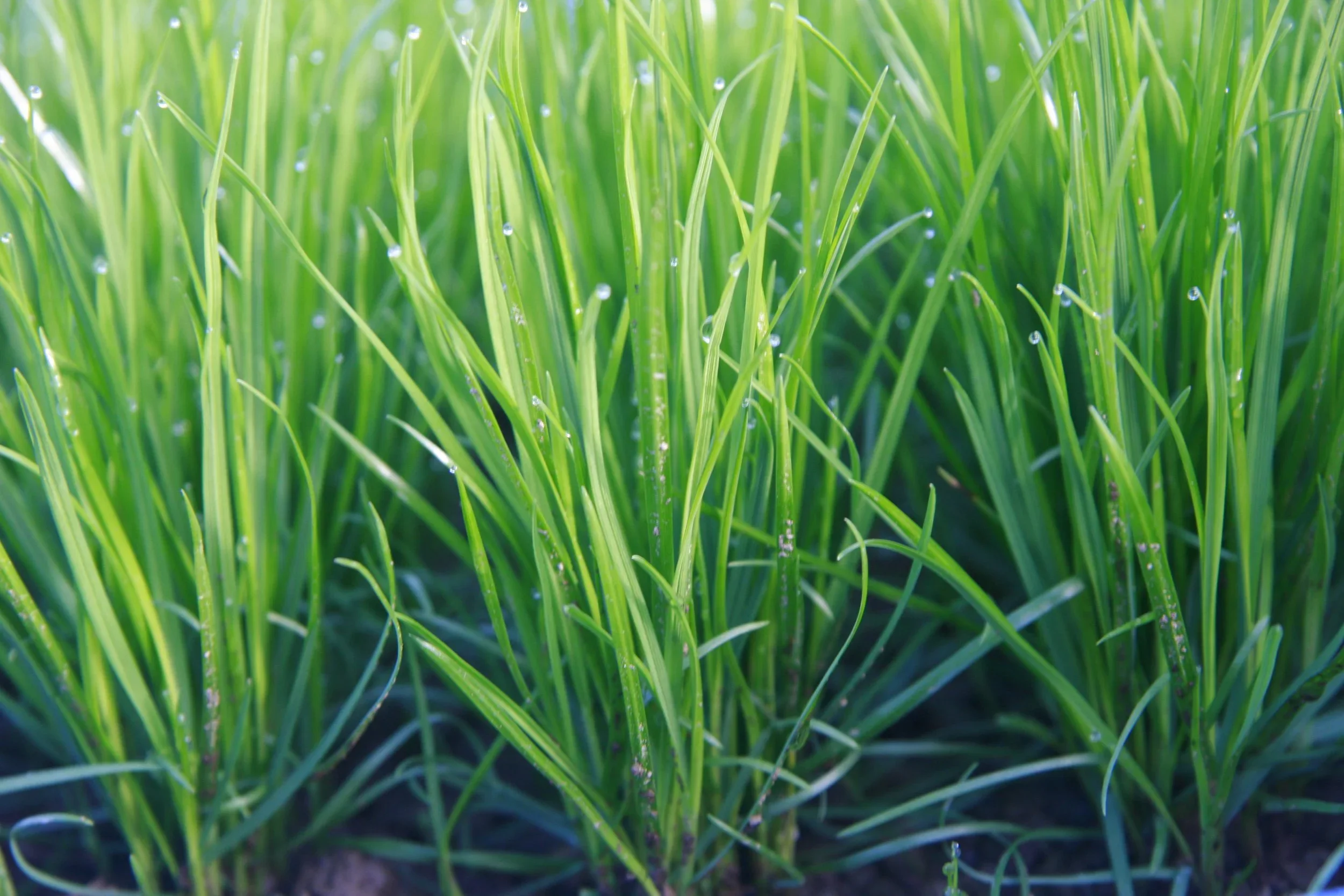
Perennial Ryegrass Seed for New Zealand Pastures
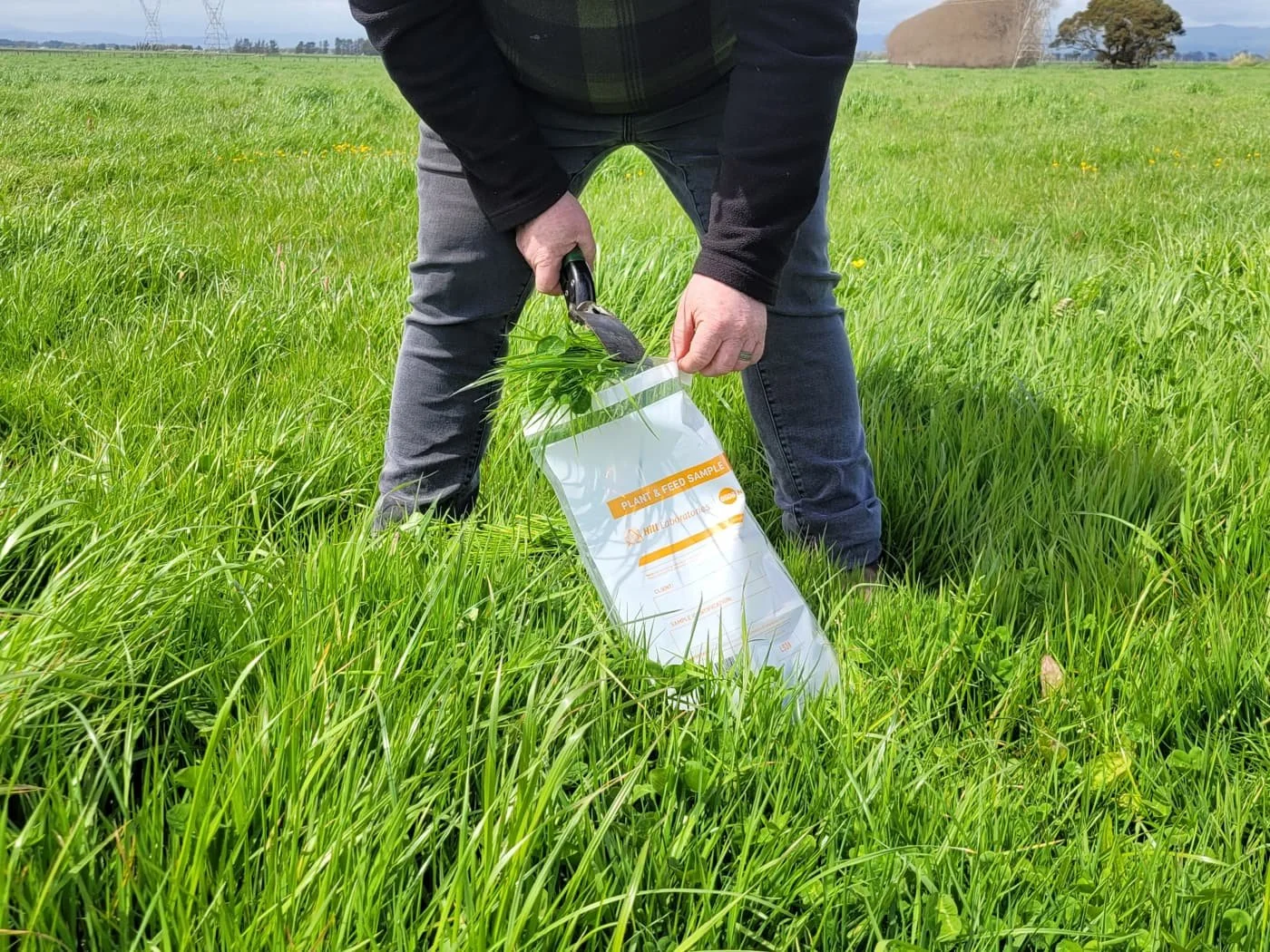
Permanent pasture isn't just about how much grass you grow. It's what your stock can get out of it.
Vernado supplies perennial ryegrass seed and custom pasture mixes for dairy, beef and sheep farms throughout New Zealand. Our range includes high-sugar tetraploid ryegrasses, persistent diploid varieties and different endophyte options. We help farmers select a pasture based on climate, insect pressure, grazing system, seasonal feed demand and the expected life of the pasture.
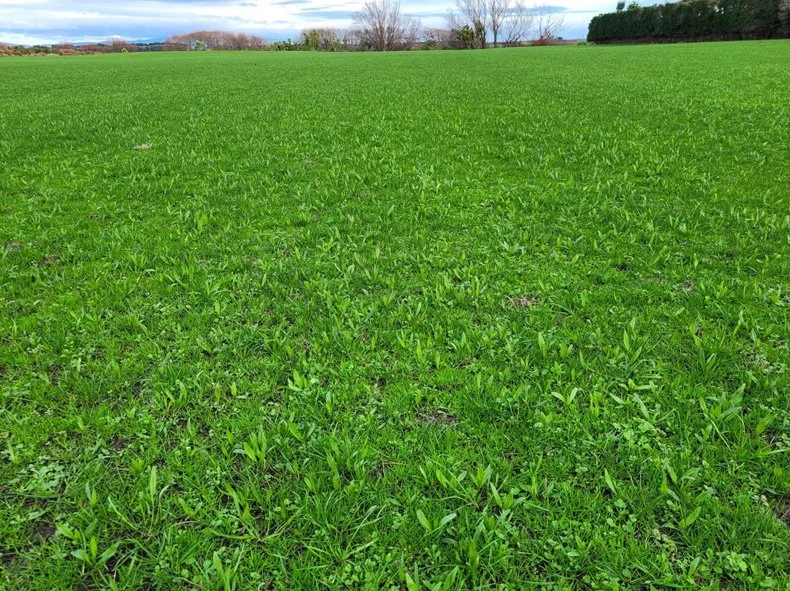
What is Perennial Ryegrass ?
A long-term pasture grass known for its adaptability, persistence, and ability to perform across a range of grazing systems usually for 5+ years.
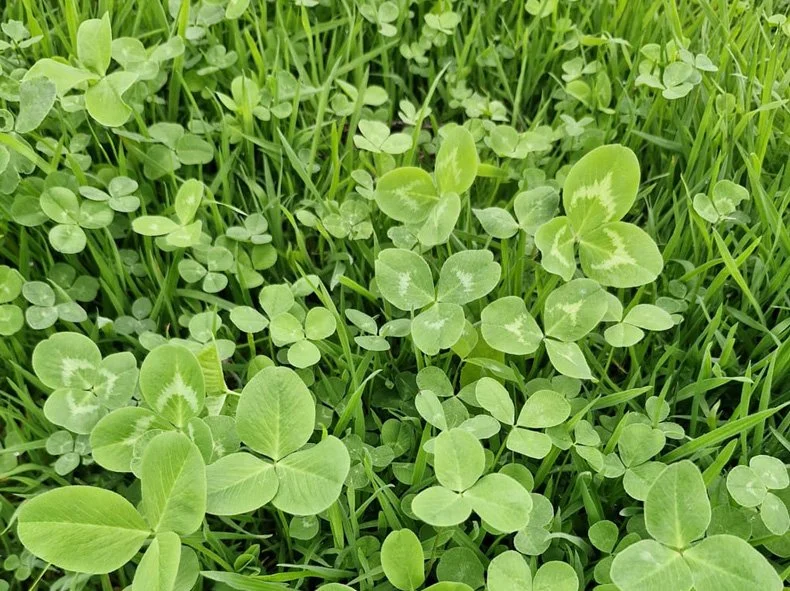
Best use for Perennial Ryegrass
Suitable for dairy, beef, and sheep systems that require durable pasture capable of handling repeated grazing.
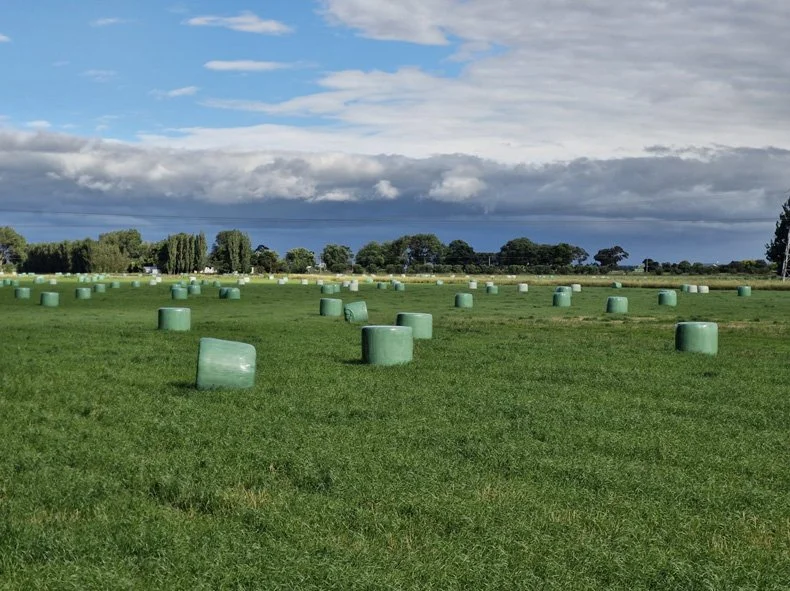
Why does perennial ryegrass matter?
High digestibility and feed quality translate directly into improved livestock performance and better utilisation of pasture grown.
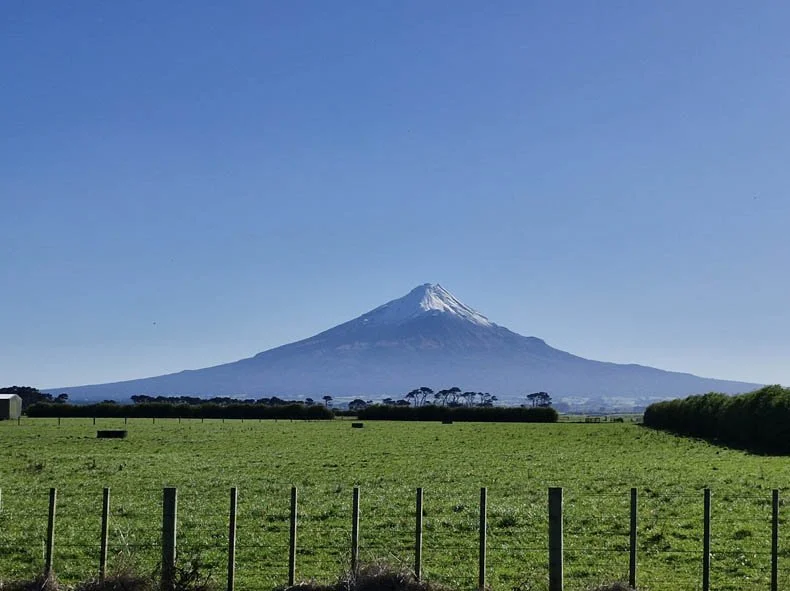
What should Perennial Ryegrass deliver on-farm?
Vernado varieties focus on both persistence and feed quality, ensuring more of what grows is converted into production and best return on investment for NZ farmers.
What are the key benefits of Perennial Ryegrass?

Consistent pasture production

Long-term persistence (multi-year)

High digestibility

Strong grazing tolerance
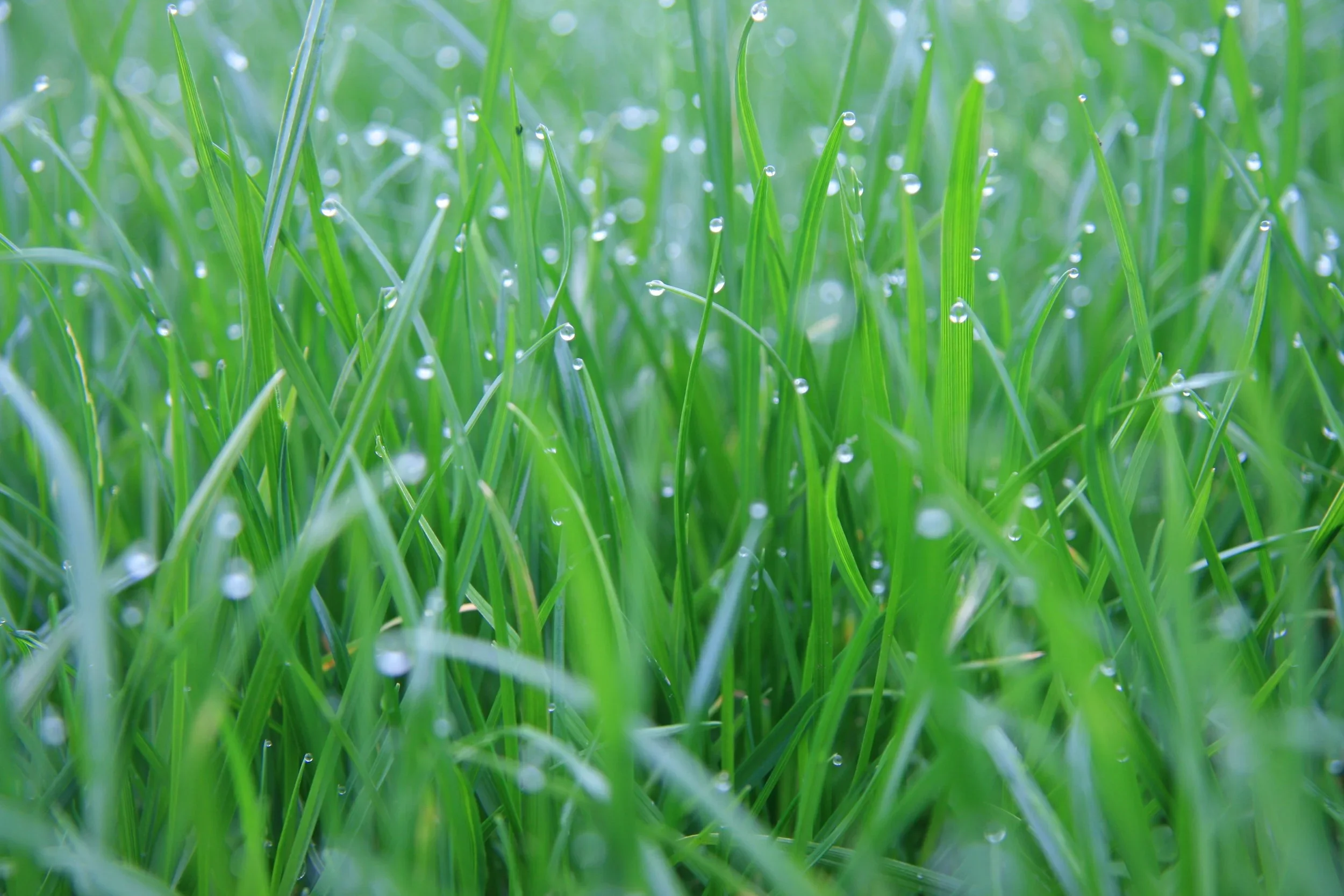
Stride* Tetraploid Perennial Ryegrass
The driest of the three ryegrasses on test — while carrying the highest average digestibility of the group. More grass, and better grass,
Average DOMD of 79.58% and ME of 12.73 MJ/kg DM
Average crude protein of 25.77%
Suitable for Sheep, Beef, Dairy, Deer
Maturing Date: Late
High Digestibility of Cell Wall
Healthy and Persistent high rust resistance
Very Palatable
High Sugar Content
Optimum 5+ year production
Great to Mix with Supremacy and Aspire Clover
Can be custom mixed to your specifications and variety’s
Seed Treating option available
Suggested Sowing rate 30kg /ha alone or 20kg with 7-10kg of Supremacy Diploid
Balanced sugar to protein ratio making it a great option for milk and meat production.
Forage quality is more than sugar only, Stride has a High digestibility increasing the potential DM intake and energy density, a higher milk/meat yield could be expected
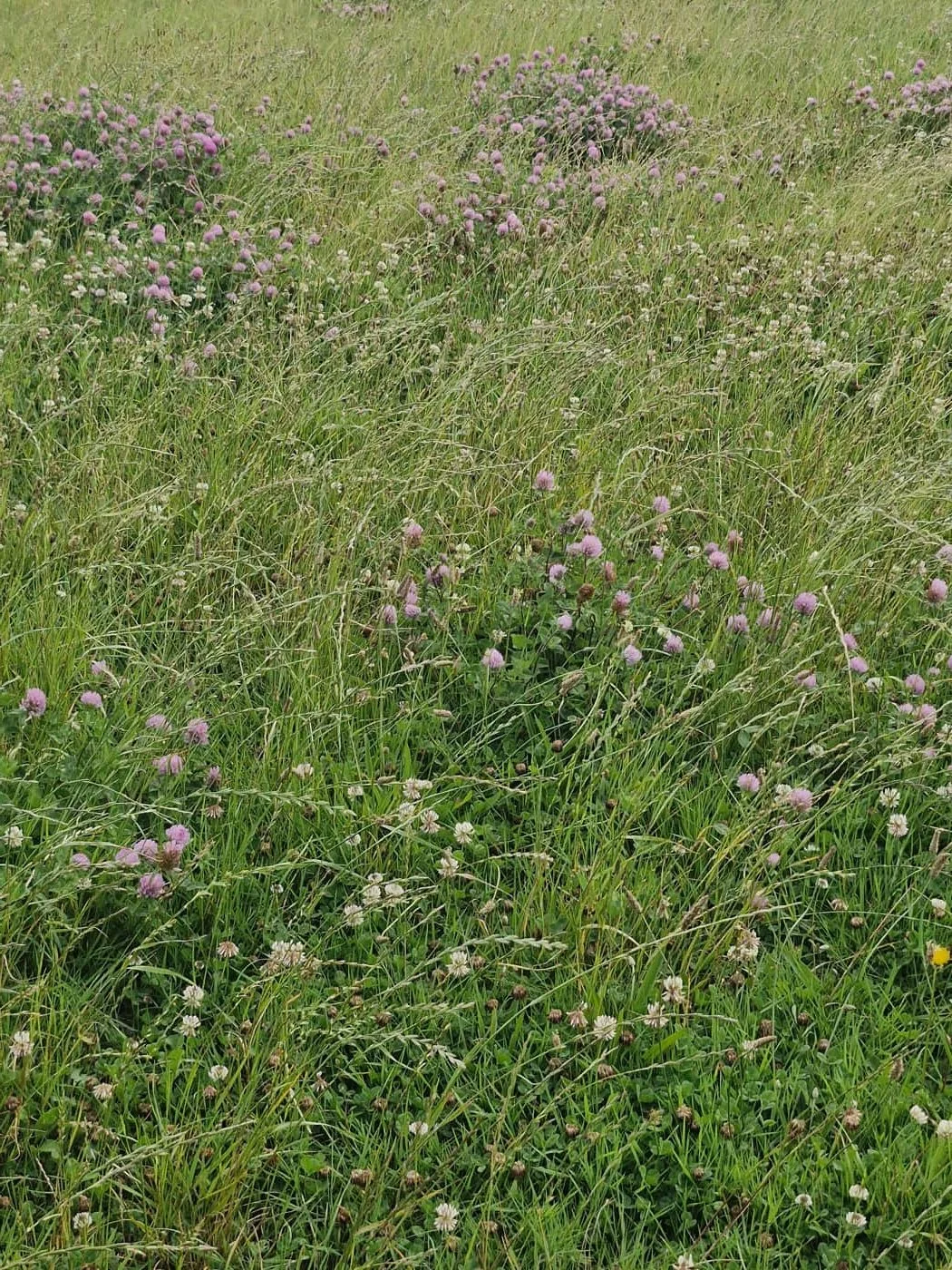
Algira* Tetraploid Perennial RyegrassPPerennial Ryegrass Tetraploid Perennial Ryegrass
Algira's average soluble sugar content ran at 14.95% across four tests to July — the highest of the three ryegrasses measured — alongside the lowest fibre (ADF, NDF) of the group
Average ADF of 17.93% and NDF of 35.35%, both the lowest of the three varieties — more of the plant available to the animal per kilogram consumed
Average soluble sugars of 14.95%
Lower fibre and higher sugars mean more of what's grown converts to energy per mouthful — the number to watch where feed quality, not quantity, is the limiting factor.
Suitable for Sheep, Beef, Dairy, Deer
Maturing Date: Very Early
High Digestibility of Cell Wall
Healthy and Persistent high rust resistances
Great to Mix with Supremacy and Aspire Clover
Can be custom mixed to your specifications
Seed Treating option available
Suggested Sowing rate 30kgs/ha alone or 20kg with 7-10kg of Diploid
Can supply and mix any variety to your requirements please enquire
Stride and Algira are both high-sugar and metabolisable Energy(ME) varieties with exceptional forage quality, giving great returns in both milk and meat production.
Stride and Algira also go well in mixes with a Diploid Rye, Clovers. Plantain, Chicory, Cocksfoot etc.
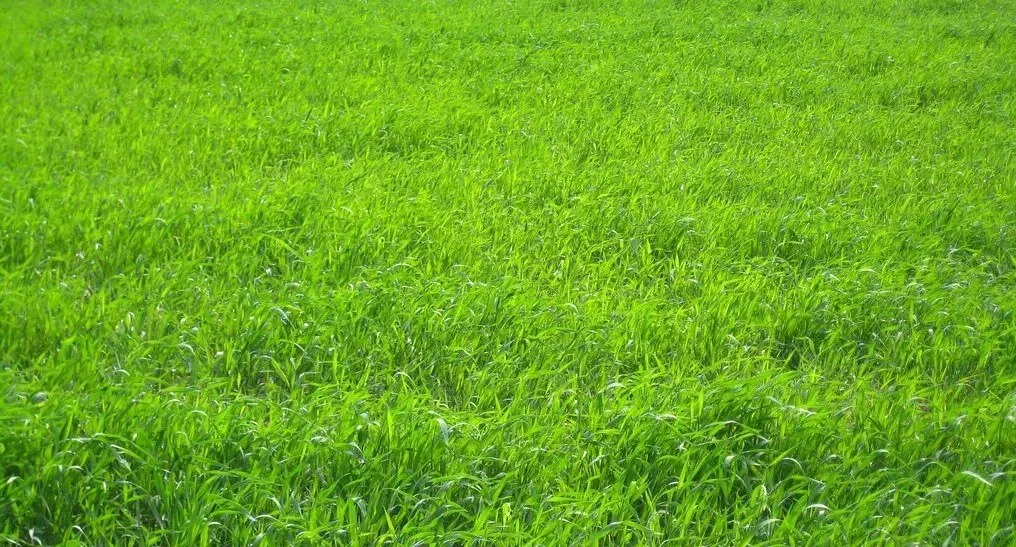
Supremacy* Diploid Perennial Ryegrass
79.9% digestibility recorded in our own in-house testing, up from 63.3% at establishment
12.8 MJ ME/kg DM by peak season, more energy for milk and meat production
Suitable for Sheep, Beef, Dairy, Deer
Maturing Date: Mid-Late
A proven allrounder across NZ conditions with good rust resistance
Sown alone or in a mix, goes well with Stride and Algira Tetraploids
Looking for another perennial ryegrass variety?
We can also source and supply a range of proprietary perennial ryegrasses from other breeders, subject to availability. If you already have a preferred variety, ask us — or we can compare the options for your farm.
- Hustle RGT18, AR1 perennial diploid ryegrass
- Nui diploid perennial ryegrass
- Moxie AR1, diploid perennial ryegrass
- Legion AR37, AR1, LE perennial diploid ryegrass
- Align AR37, AR1 perennial tetraploid ryegrass
- Governor AR37, AR1, LE perennial diploid ryegrass
- Platform AR37, AR1 perennial diploid ryegrass
- Maxsyn NEA12, NEA4, LE perennial diploid ryegrass
- 4 Front NEA2, LE perennial tetraploid ryegrass
- Ultra AR1, LE perennial diploid ryegrass
- Avatar CM142, NEA, LE perennial tetraploid ryegrass
- Nouga, tall fescue
- Greenly II, cocksfoot
- And more please enquire.
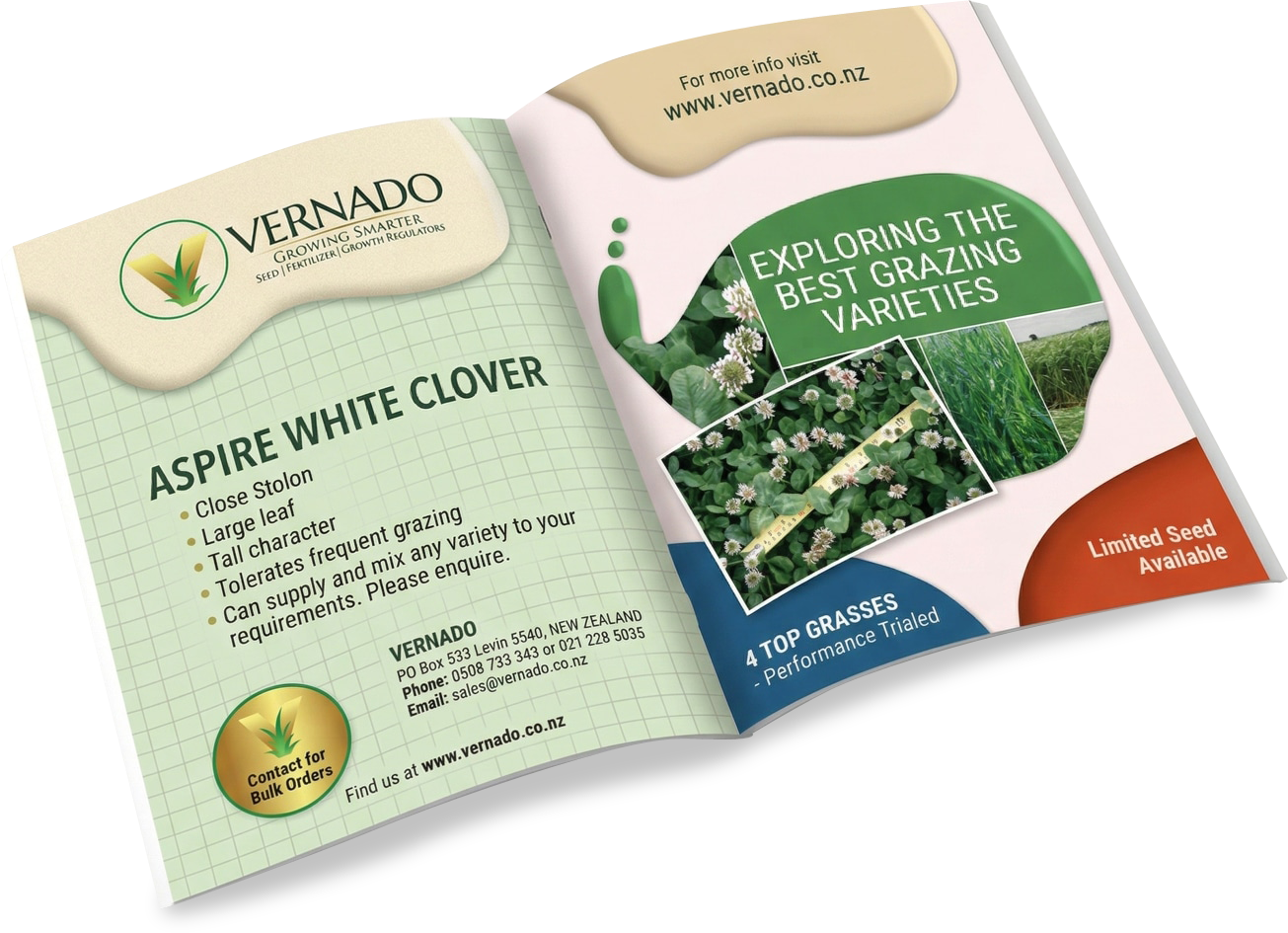
Perennial Ryegrass is one of the most popular choices in New Zealand for permanent pastures. It's quick to establish, yields well, and can tolerate various management practices. Mix a perennial ryegrass with white clover for a superb all-rounder pasture.Frequently Asked Questions
-
Typically 5+ years (we have some clients still in production at 12 years) depending on moisture, nutrients, management and environmental conditions.
-
Around 25–35 kg/ha depending on variety, farm type and conditions.
-
Yes, it is widely used in dairy systems.
-
Farmers undersowing or drilling into existing pasture will tend to treat depending on history of previous insect pressure, if sowing after cultavion treated seed may not be required.
-
We recommend at a minimum adding white clover, then you can keep building it from there.
-
Diploid and tetraploid perennial ryegrasses differ mainly in their chromosome number, which influences plant structure, dry matter content, palatability and grazing characteristics.
Diploid ryegrasses generally have finer leaves, higher dry matter percentage and a denser tiller base. They can create a dense, persistent pasture and are often well suited to harder grazing situations.
Tetraploid ryegrasses generally have larger cells, broader leaves, higher water-soluble carbohydrate levels and lower dry matter percentage. They are often highly palatable and can encourage greater voluntary dry matter intake when pasture quality and grazing management are good.
Neither type is automatically better. The right choice depends on your farm system, stock class, soil conditions, grazing management and what you want the pasture to achieve. Diploids and tetraploids can also be combined in a pasture mix to take advantage of characteristics from both types.
-
There is no single perennial ryegrass that is best for every New Zealand dairy farm. The best variety depends on climate, soil type, insect pressure, grazing management and whether the priority is pasture persistence, seasonal growth, feed quality, animal intake or a combination of these.
For dairy systems focused on producing highly digestible, palatable pasture, a quality tetraploid perennial ryegrass can be a good option because of its grazing characteristics and potential to support high voluntary intake.
A diploid perennial can also be valuable where greater pasture density, robustness or persistence is required. In many situations, combining selected diploid and tetraploid genetics can provide a useful balance.
At Vernado, we prefer to match the variety and seed mix to the paddock rather than recommend one perennial ryegrass for every dairy system.
-
The best perennial ryegrass for a sheep and beef farm depends on rainfall, soil type, fertility, insect pressure, grazing intensity and the class of stock the pasture needs to feed.
Diploid perennial ryegrasses are often considered where pasture density, persistence and tolerance of harder grazing are priorities. Tetraploid perennial ryegrasses can also be valuable where high-quality, palatable feed and animal intake are important, particularly on more productive finishing country.
On sheep and beef farms with variable soils or summer-dry conditions, perennial ryegrass may also be combined with species such as white clover, red clover, cocksfoot, plantain or chicory to better match the paddock and production objective.
The important question is not simply which ryegrass is best, but what you need that particular paddock to do.
-
-
Perennial ryegrass is commonly sown at approximately 20–35 kg/ha, but the appropriate sowing rate depends on seed size, variety, establishment method and what other species are included in the mix.
A straight perennial ryegrass stand may be sown at around 25–35 kg/ha, while the ryegrass component of a mixed pasture may be lower where white clover, other ryegrasses, herbs or additional pasture species are included.
Higher seed rates do not automatically produce a better long-term pasture, although they go a long way towards a better sward. Good seed-to-soil contact, correct sowing depth, soil fertility, moisture, weed, slug and insect control, and early grazing management are also important to successful establishment.
Vernado can help calculate the sowing rate and total seed requirement based on your hectares and chosen pasture mix.
-
Perennial ryegrass is generally established in autumn or spring in New Zealand, with the best timing depending on region, soil moisture, temperature and the farming system.
Autumn sowing is widely used because soils are generally still warm enough for establishment while autumn rainfall can provide increasing soil moisture. However, sowing too late can leave young plants poorly established before winter, particularly in colder regions.
Spring sowing can also work well where soil moisture is reliable and allows pasture to establish before summer moisture stress.
Rather than sowing strictly by the calendar, aim for suitable soil temperature, adequate moisture and enough growing time for the new pasture to establish before significant climatic stress.
-
Perennial ryegrass is bred for long-term pasture and, under suitable conditions and management, can remain productive for many years.
There is no fixed lifespan. Persistence depends on the variety and endophyte as well as soil fertility, drainage, summer moisture, insect pressure, grazing management and climatic stress.
A well-established perennial pasture may remain productive for five years or considerably longer. Vernado has seen client paddocks where perennial ryegrass remains productive well beyond this, including a paddock of Stride perennial ryegrass now 16 years old.
Rather than judging persistence on age alone, consider plant population, seasonal production, weed ingress and whether the pasture is still producing the quantity and quality of feed required from the paddock to actually product you a return in the vat or across the scales.
-
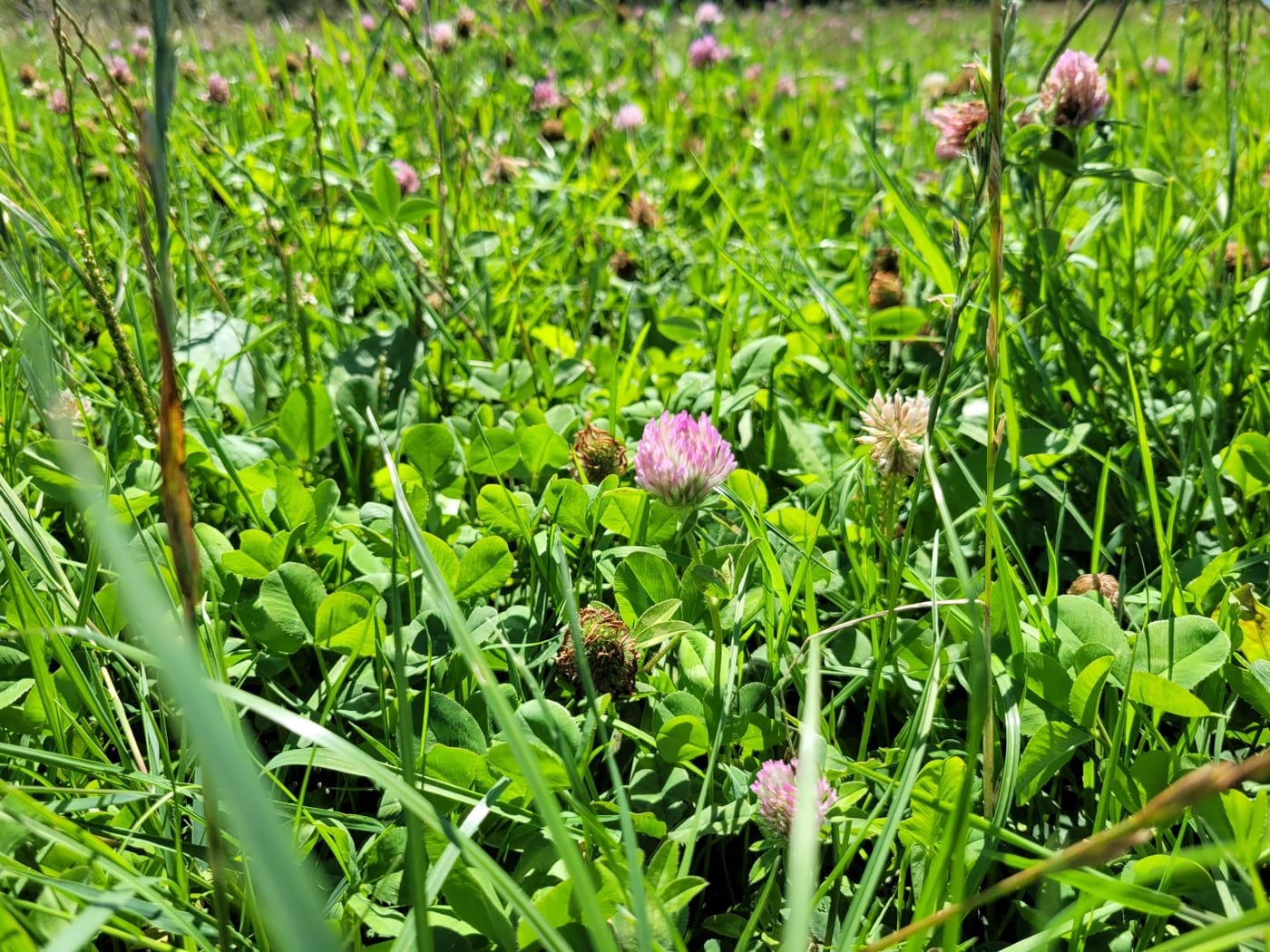
Yes we would always recommend perennial ryegrass and white clover they are a widely used pasture combination on New Zealand farms and can complement each other well.
Ryegrass provides productive grass feed, while white clover can contribute high-quality forage and biologically fix atmospheric nitrogen through its association with rhizobia. A productive clover component can therefore contribute both feed quality and nitrogen to the pasture system.
The appropriate white clover cultivar and sowing rate depend on grazing management, soil fertility, stock class and expected clover content.
Successful clover establishment also requires suitable soil fertility, particularly adequate phosphorus, potassium, sulphur and molybdenum, along with appropriate soil pH and good establishment management.
-
The appropriate ryegrass endophyte depends on your region, insect pressure, livestock type and the level of pasture protection required.
Endophytes live within the ryegrass plant and some strains provide protection against pasture pests such as Argentine stem weevil, black beetle and other insects. Different endophytes provide different levels of insect protection and can also differ in their potential effects on grazing animals.
Novel endophytes have been developed to provide useful insect protection while reducing some of the animal-health problems associated with older wild-type endophytes.
Nil-endophyte ryegrass can be appropriate in some situations, particularly where insect pressure is low, but it should not automatically be used everywhere.
Endophyte choice should therefore be made for the specific farm and region, rather than treating one endophyte as the best option throughout New Zealand.
-
Nil-endophyte perennial ryegrass can persist successfully where damaging insect pressure is lower, but it does not have the endophyte-derived insect protection available from suitable endophyte-infected ryegrass.
This means persistence can be more vulnerable where pests such as Argentine stem weevil or black beetle are significant.
However, endophyte is only one factor affecting persistence. Variety genetics, soil fertility, moisture, grazing management, plant stress and the particular insect species present all influence how long a pasture survives.
Where nil-endophyte ryegrass is being considered, we recommend assessing the local pest risk and farm conditions rather than assuming it will—or will not—persist.
-
Yes. Perennial ryegrass can be successfully direct-drilled into a prepared existing pasture or seedbed, provided competition and establishment conditions are properly managed.
Direct drilling can reduce soil disturbance and retain soil structure, but successful establishment depends on good seed placement and seed-to-soil contact, adequate moisture, appropriate sowing depth and effective control of existing pasture and weeds.
Existing vegetation can compete strongly with emerging ryegrass seedlings, so paddock preparation before drilling is important.
Insect pressure should also be assessed before establishment, particularly where a paddock has a history of pasture pest damage.
-
Perennial ryegrass performs best in fertile, well-managed soils with adequate phosphorus, potassium, sulphur and nitrogen and a soil pH that allows good nutrient availability.
For many New Zealand pastoral soils, a pH of approximately 5.8–6.2 is a useful general range, although we usually like to see it more in the 6.0-6.4 range the appropriate target depends on soil type and farming system.
Rather than applying fertiliser or lime from a generic recommendation, soil testing should be used to identify actual requirements. Olsen P, potassium, sulphur, magnesium and other relevant nutrients should be considered alongside pH.
Correcting soil fertility before establishing a new perennial pasture can be considerably easier than trying to correct major limitations after establishment.
-
Yes. Vernado supplies and delivers pasture seed direct to farms throughout New Zealand.
We supply perennial and annual ryegrasses, clovers, herbs, brassicas and custom pasture seed mixtures for dairy, sheep and beef, deer, dairy-support and cropping farms.
Seed mixes can be customised to your farm, paddock and intended use rather than relying on a standard off-the-shelf mixture. Seed treatment options are also available where appropriate.
If you know your hectares and what you want the paddock to achieve, Vernado can recommend a mix, calculate the required seed quantity and provide pricing delivered to your farm.
-
Vernado pasture seed is sold direct to farmers throughout New Zealand rather than through rural retail stores or merchants.
To purchase Vernado seed, contact us directly through our website contact page, by phone or by email. Tell us what you're looking to sow, your hectares and what you want the paddock to achieve, and we can help recommend the appropriate variety or custom seed mix, calculate the quantity required and provide pricing.
We can supply individual pasture varieties or custom seed mixtures and arrange delivery direct to your farm anywhere in New Zealand.