
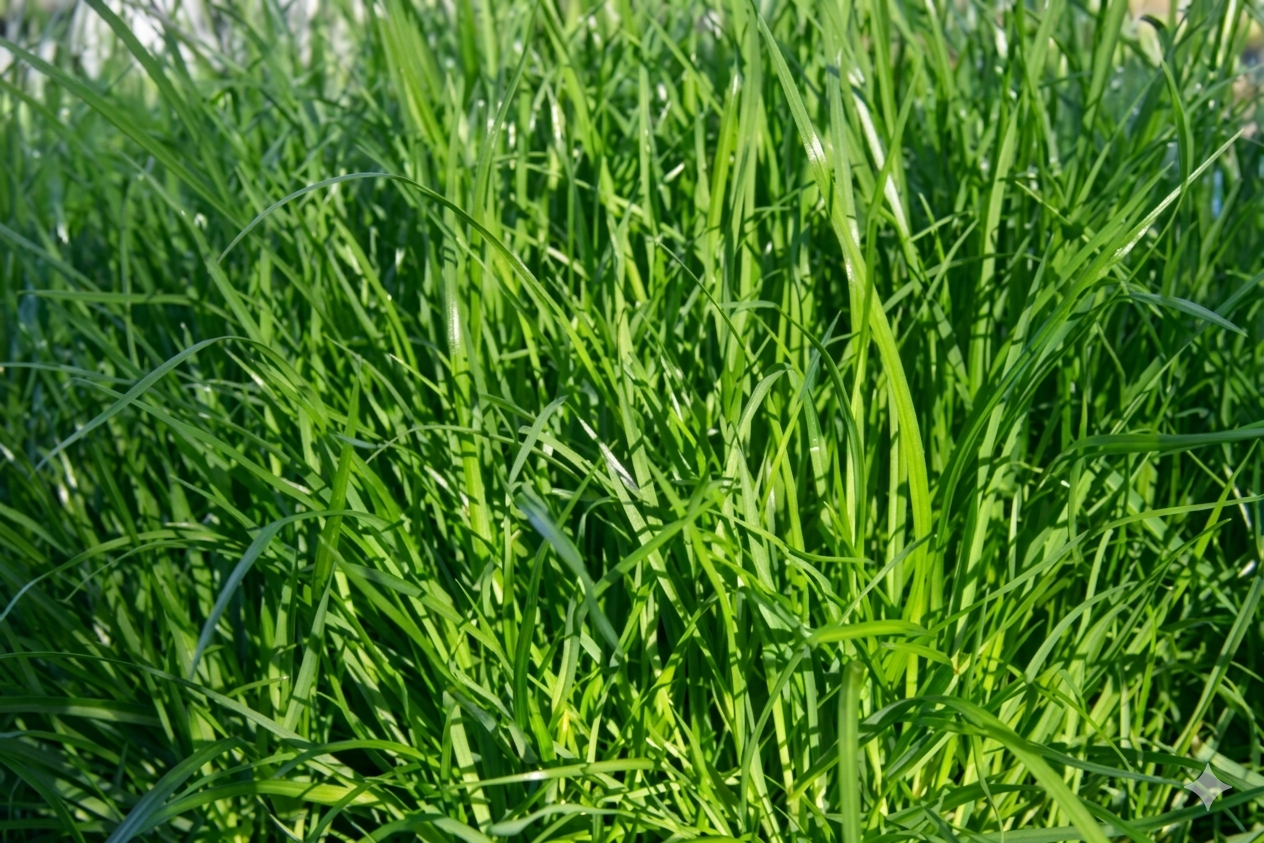
Pasture Seeds NZ – High-Digestibility Seeds and Custom Pasture Mixes
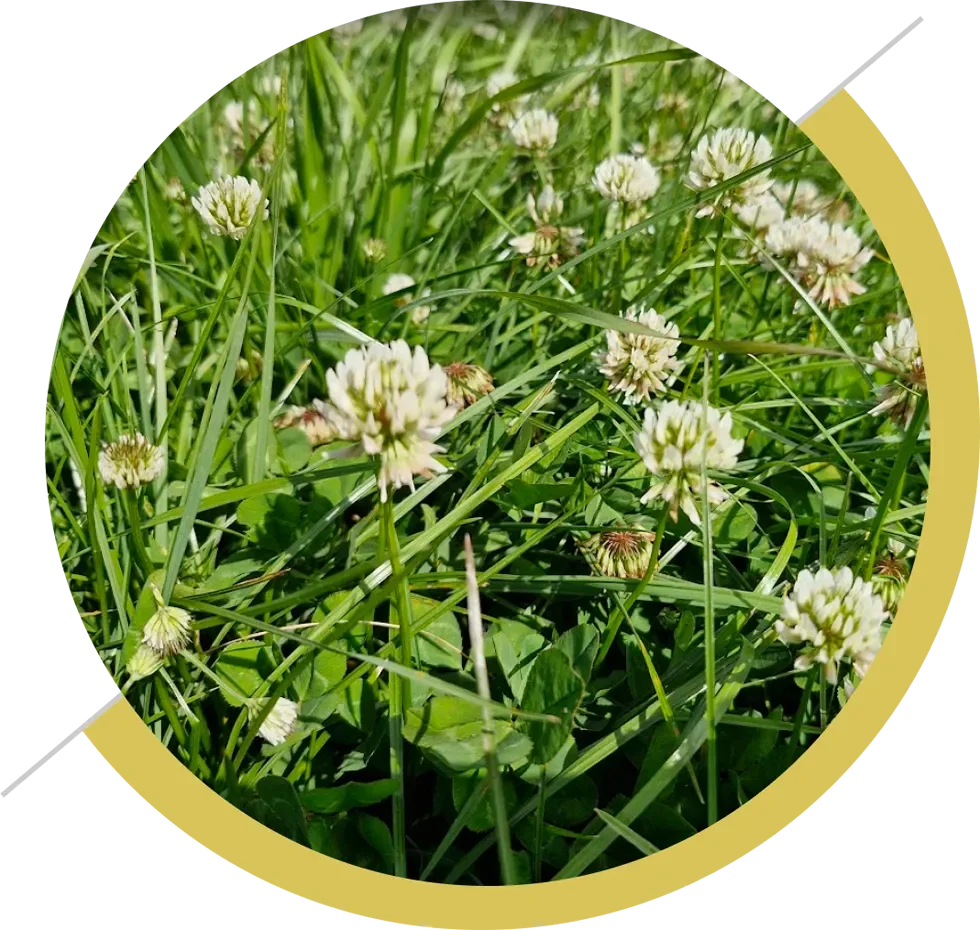
Getting More From Every Bite
Not all seed delivers. The difference between a paddock that performs and one that just looks the part comes down to what's actually in the bag — the genetics, the digestibility, and whether it suits your conditions.
Vernado has been supplying New Zealand farmers with high-digestibility, high-sugar pasture seed since 2006. Custom blended, delivered nationwide, and backed by consistent paddock results across dairy, beef, sheep, and mixed-farming operations.
Want to compare options? Use our free Seed Mix Calculator to build a mix and see the estimated seed cost per hectare.
Pasture & Forage Seed Range
Vernado supplies a full range of pasture and forage seeds for New Zealand farm conditions — from long-term permanent pasture through to short-rotation forages and specialist crops. All seed is available nationally, delivered direct to farm or your nearest freight depot from the Manawatu or Canterbury.
Seed is delivered nationwide direct to farm or your nearest freight depot from the Manawatu, or Canterbury
Build your own mix, see your cost per hectare instantly,
No call needed.
Feature Tiles
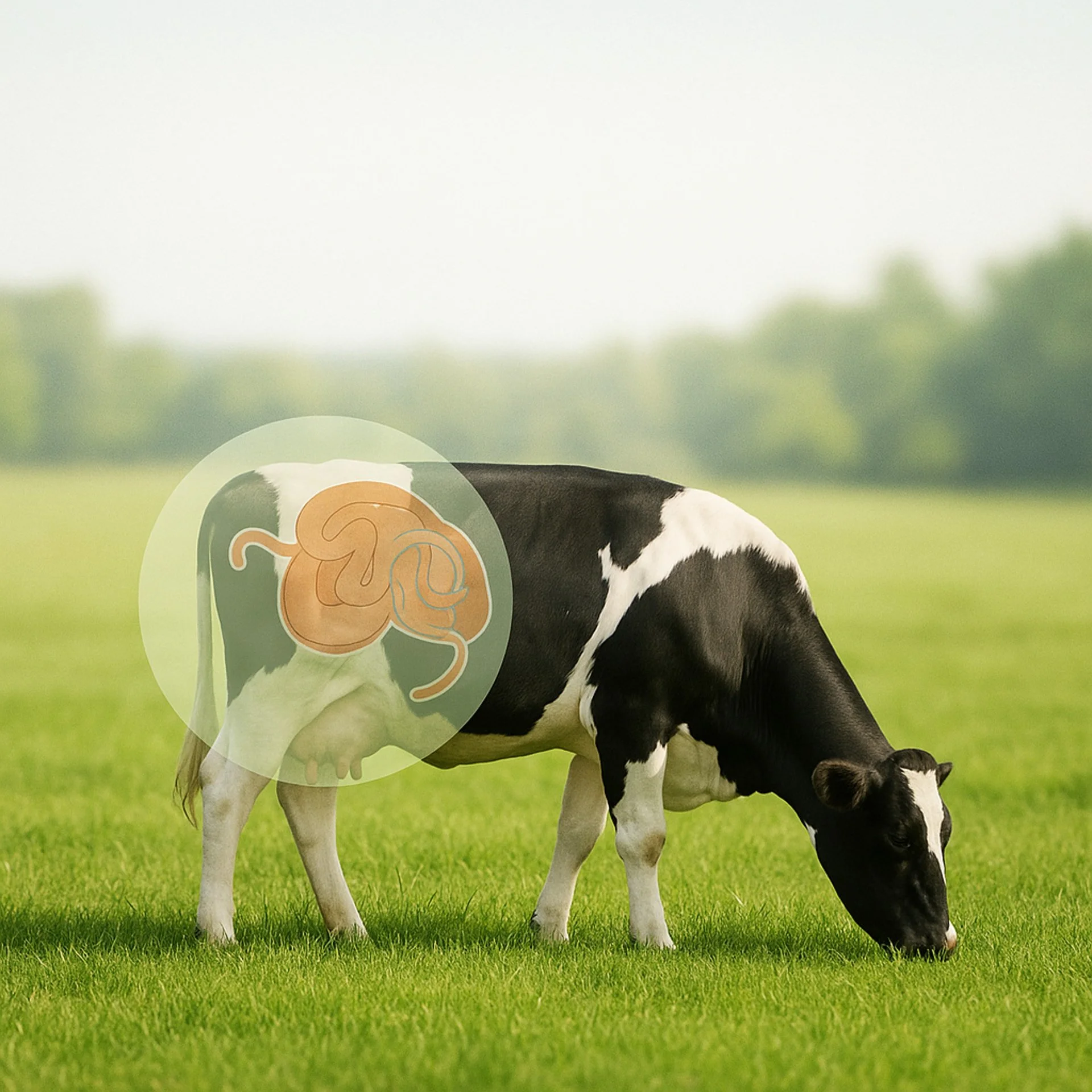
High Digestibility
Digestibility is what actually drives production — not just how much grass is on the ground. Vernado's pasture genetics are selected for higher ME (metabolisable energy) values, so your stock convert more of every bite into milk and meat.
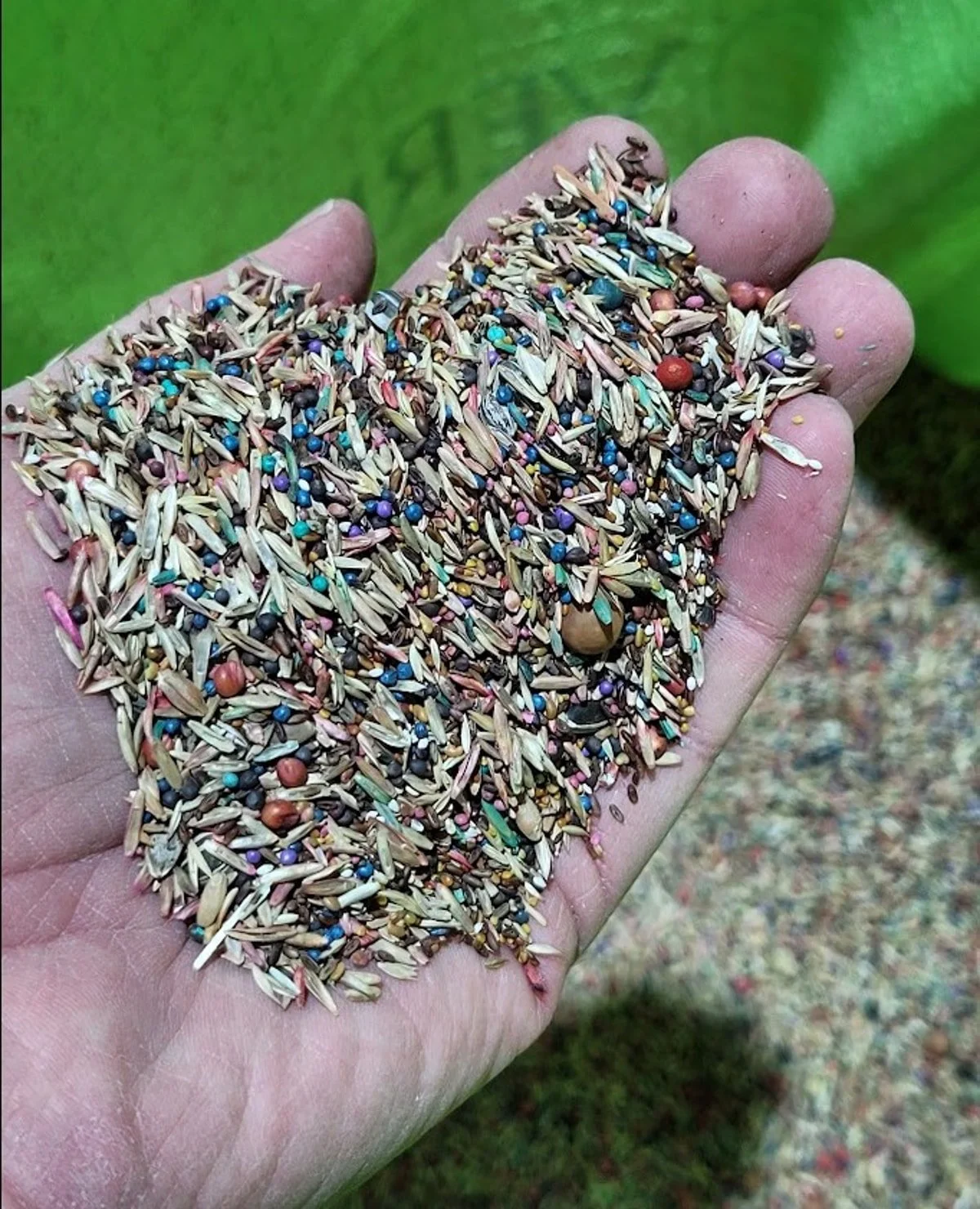
Custom Blended Mixes
Every farm is different — soil type, rainfall, grazing system, stock class. Vernado blends pasture mixes to suit your specific conditions rather than selling one bag to everyone. Tell us what you're working with, and we'll put together something that actually fits..
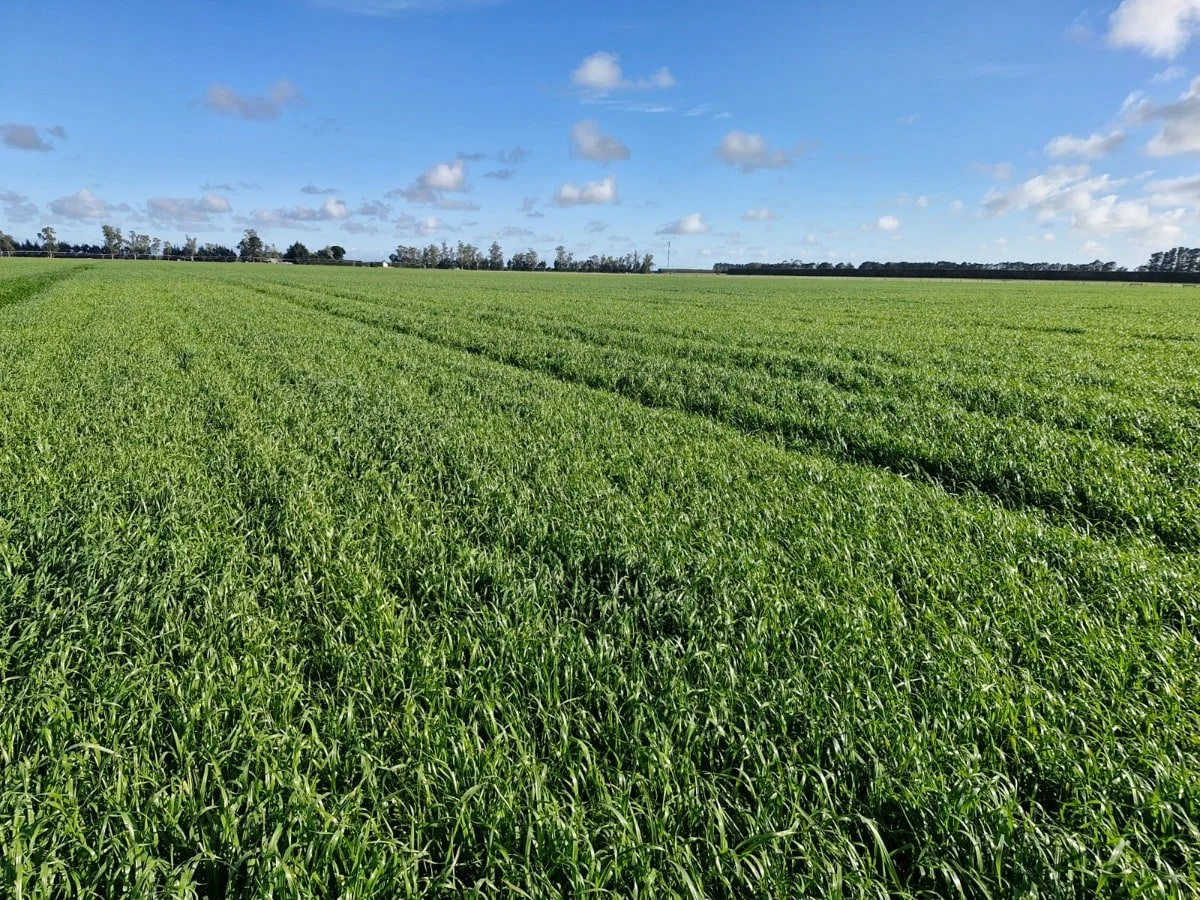
High Sugar Grasses
High-sugar ryegrass varieties lift palatability and energy intake, which means animals graze more willingly and perform better — especially through key production periods. More sugar in the plant means more energy in the animal, without the extra supplement cost.
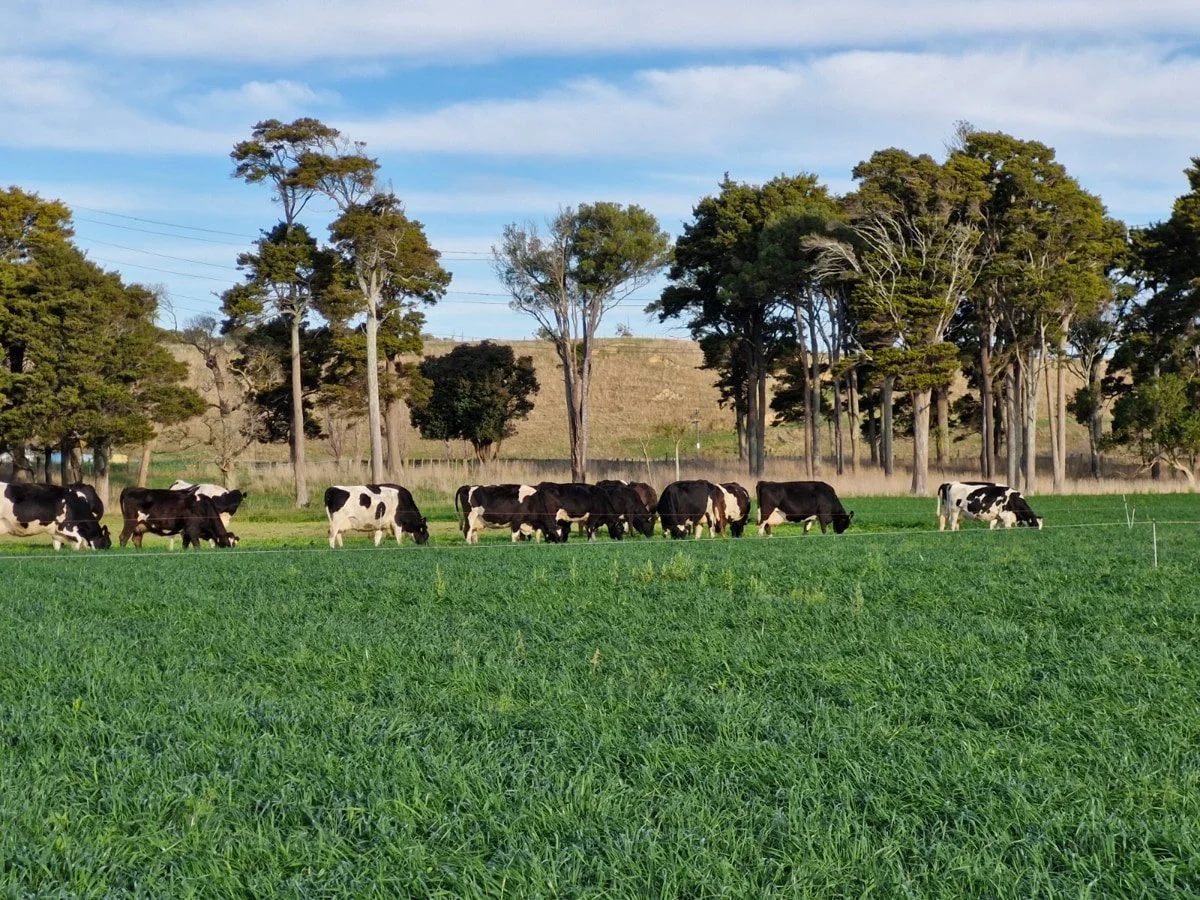
Proven NZ Performance
These varieties have been performing in NZ paddocks, not just trial plots. Vernado customers across the Waikato, Manawatu, Southland, Canterbury and beyond have been re-ordering for years — which is about as honest a product review as you'll find.
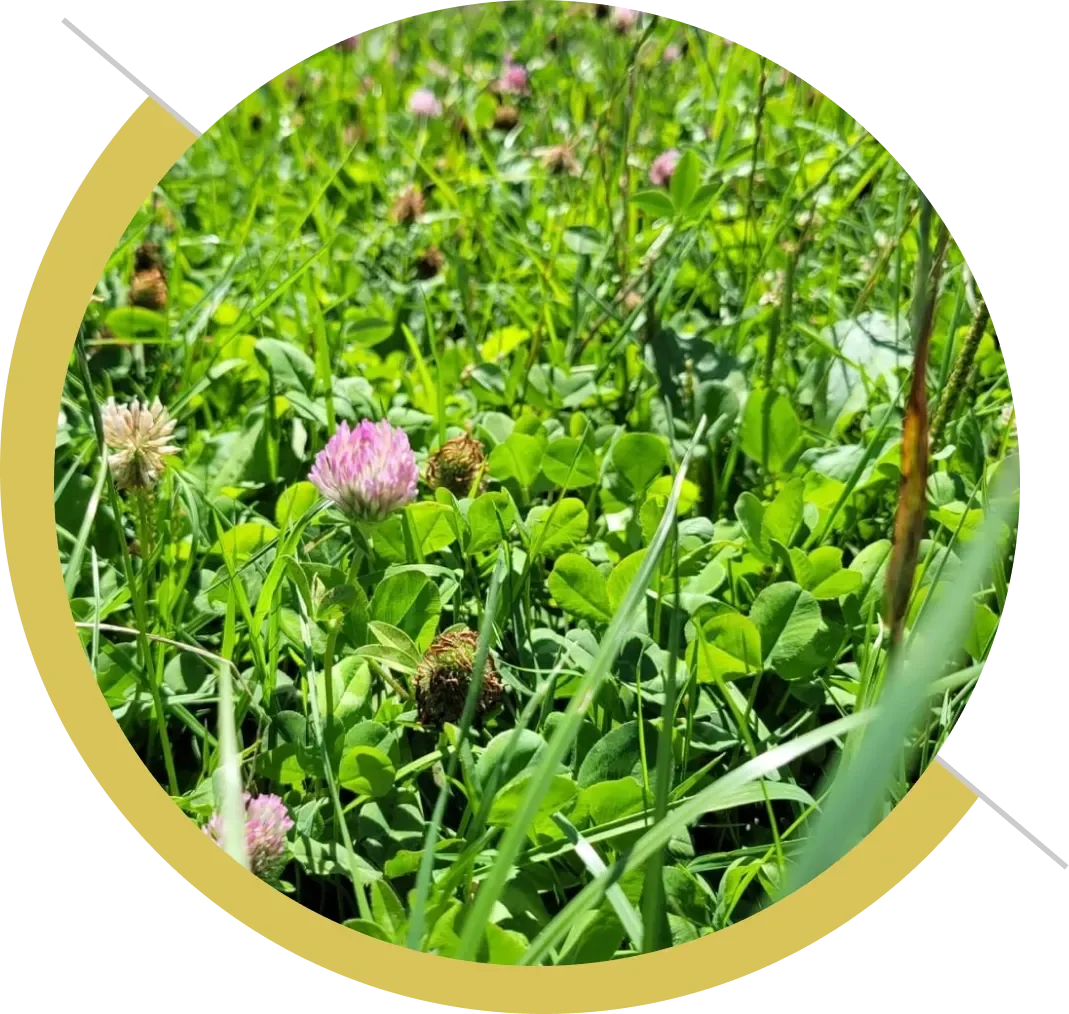
What Makes Pasture Seed Worth Paying For?
Seed is one of those inputs that's easy to shop on price — and easy to regret.
The gap between a variety that performs and one that doesn't rarely shows up in the first month. It shows up in year two, when persistence drops off. In summer, when the stand thins. In the vat, when the numbers don't move the way they should.
What to actually look at when choosing pasture seed:

Metabolisable Energy (ME)
Higher ME means more energy per kilogram of dry matter consumed. For dairy, this directly affects milk production. For beef and sheep, it drives daily liveweight gain.

Water-Soluble Carbohydrates (WSC / Sugar)
High-sugar varieties increase palatability — Stock graze more readily and evenly. Reduced pasture rejection means you get better utilization of the grass you've grown.

Dry Matter Yield
Not just what a variety can produce under ideal conditions — but what it consistently produces in your region, your soil type, and your management system.

Persistence
How long the stand holds. A cheap perennial ryegrass that's half gone by year three costs more per season than a reliable variety that's still performing in year five or six.

Endophyte
Endophyte choice should be considered alongside insect pressure, animal health, pasture persistence and the individual farming system. Vernado supplies both nil-endophyte and selected endophyte ryegrass options and can help compare what is appropriate for your conditions.
Vernado works with farmers to match variety to farm — not just sell what's in the shed. A seed quote from Vernado includes advice on what will actually suit your conditions.
Common Questions About Pasture Seed in NZ
-
There's no single answer — it depends on your region, soil type, grazing system, and what you're trying to fix. That said, tetraploid perennial ryegrass varieties with high ME and WSC values are the most common foundation for high-producing dairy pastures in NZ. Many dairy farmers also include white clover for protein contribution and nitrogen fixation. Vernado can recommend specific varieties based on your farm setup — contact the team for a personalised seed quote.
-
High-digestibility pasture seed refers to varieties bred or selected for higher metabolisable energy (ME) content — meaning the plant converts more efficiently into usable energy for the animal. In practical terms, higher digestibility means more milk per cow, better daily liveweight gain in beef cattle, and improved feed conversion overall. High-sugar (high-WSC) varieties also increase palatability, so stock graze more evenly and waste less.
-
Perennial Ryegrass: This is the foundation species for permanent New Zealand pastures. It is built for the long term and, with solid grazing management and nutrient availability, can persist for five or more seasons. It tends to have higher cooler season productivity and stays vegetative rather than trying to go to seed during the warmer months.
Hybrid Ryegrass: Created by crossing Italian and perennial ryegrasses, hybrids offer a sliding scale of traits depending on their parentage. They combine the high early yields of Italian ryegrass with significantly more persistence than an annual, lasting anywhere from 2 to 5 years. They provide excellent winter and spring growth, followed by moderate, reliable summer production
Italian Ryegrass: Often treated as a biennial, this is a short-rotation variety typically lasting 1 to 2 years. It produces massive amounts of feed rapidly, outyielding perennials in early growth and providing superior winter/cool-season production. It is primarily used to fill temporary feed gaps, build up silage inventory, or oversow tired paddocks.
Annual Ryegrass: Westerwolds annual ryegrass (Lolium multiflorum var. westerwoldicum) is a specialist, ultra-short-term forage option engineered for ultimate speed of establishment and aggressive early growth. Standing as the fastest-growing and highest-yielding ryegrass available, it typically persists for only 8 to 12 months before naturally dying out after its spring seed set. Because it does not require a winter chilling period (vernalisation) to trigger reproduction, a spring sowing will rapidly shoot to seed, making it a highly effective emergency crop or a premium tool for quick production. When autumn-sown, it acts as an exceptional winter break crop following maize, brassicas, or cereals, outperforming other varieties to deliver critical, high-energy winter and early spring feed before being locked up for high-yielding silage.
-
Autumn (March–May) is the primary sowing window for most NZ pasture species — soil temperatures are still warm enough for good germination, and moisture is typically more reliable than in spring. Competition from summer weeds is also reduced.Spring sowing (August–October) works in areas where autumn conditions are too dry or where the farm program doesn't allow for autumn renovation. Spring-sown pastures establish quickly but face more weed pressure and summer dry risk.
-
Pasture seed pricing in New Zealand varies heavily by species, variety, and endophyte type. However, cost-per-kilogram is rarely the right metric to focus on, especially since some traditional seed companies build large profit margins and massive corporate overheads into their pricing models. What actually matters to your bottom line is the cost-per-hectare of a well-established stand and the total returns it generates over its lifetime. A paddock that establishes poorly or fails to persist will force you to pay for a full renewal all over again within 18 months.
Vernado provides free seed quotes with advice on species selection — contact the team to compare properly.
-
Yes. Vernado delivers seed nationwide — direct to farm or to your nearest freight depot — from distribution hubs in the Manawatu and Canterbury. Lead times vary by season and order size; contact the team to confirm availability and delivery timing for your region.
-
Vernado supplies pasture and forage seed direct to farmers throughout New Zealand rather than through rural retail stores. Contact us by phone, email or through our website for pricing, seed recommendations or a custom mix. We can deliver direct to your farm or nearest freight depot.
-
Sowing rate depends on the species, variety, seed mix, establishment method and paddock conditions. Perennial ryegrass is commonly sown at around 25–35 kg/ha when used alone, while mixed pastures use different rates depending on the amount of ryegrass, clover and herbs included. Vernado can calculate a mix and sowing rate for your paddock, or you can use our Seed Mix Calculator to build your own.
What NZ Farmers Say About Vernado Seed
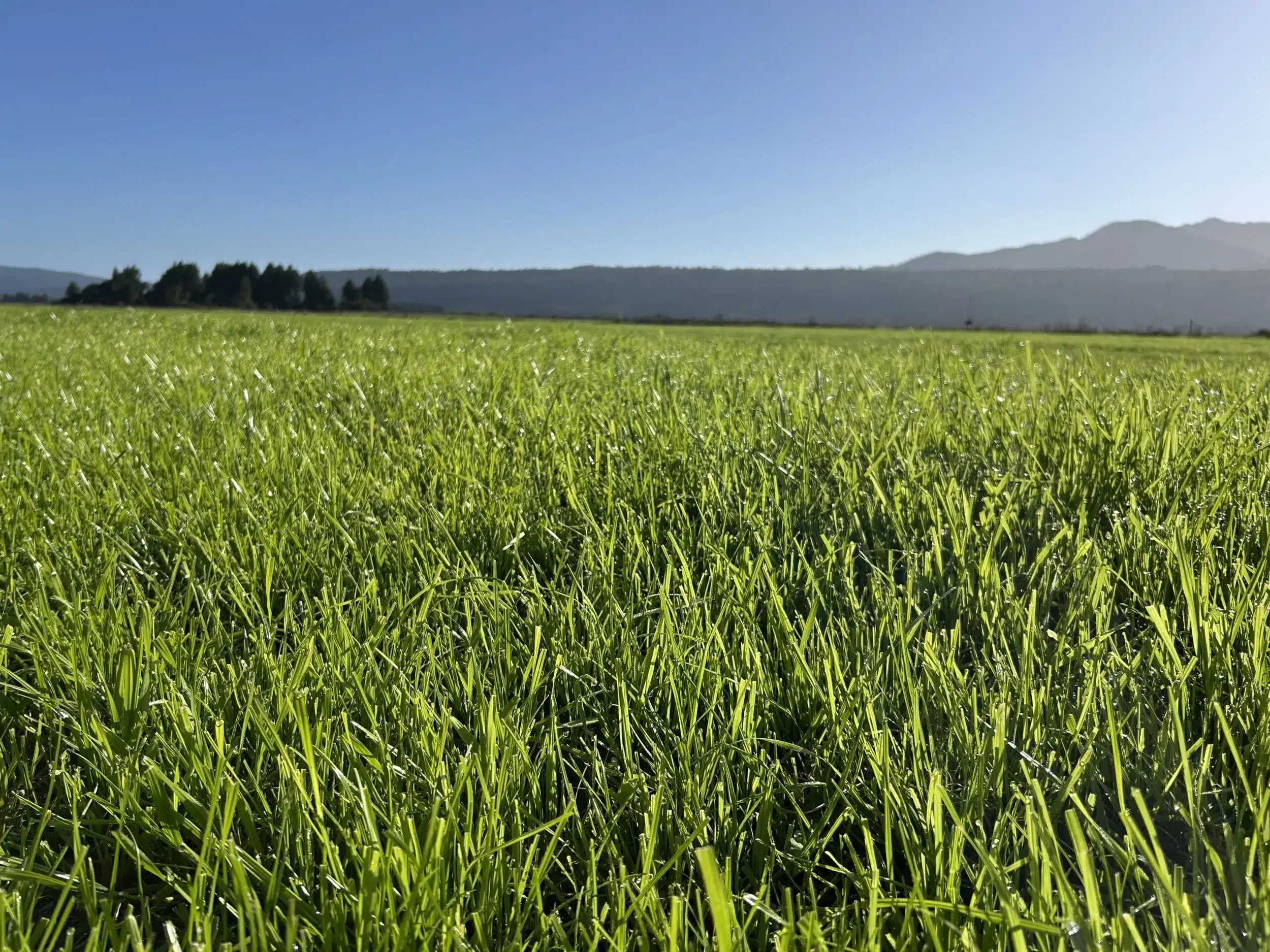
Get a Free Seed Quote for Your Farm
Whether you're renovating a tired paddock, doing a full reseed, or just comparing what you're currently using against something that might perform better — Vernado can put together a quote and recommendation tailored to your farm.
No obligation. No generic catalogue. Just advice based on what your paddocks actually need.
Seed is delivered nationwide — direct to farm or freight depot from the Manawatu or Canterbury.