Pasture Seed Mixes for New Zealand Farming Systems
Customised to suit your requirements
Every farm is different. Soil type, rainfall, stock class and management all affect what species and varieties should go into a pasture mix.
Vernado custom blends pasture seed mixes for dairy, beef, sheep and mixed farming systems throughout New Zealand.
Whether you're establishing a permanent pasture, short-term feed crop or renovating tired paddocks, we can design a mix to suit your farm and your goals.
Delivered nationwide from Manawatu and Canterbury.
Get the most out of your blend when you customise the best mix to suit your system and what works for you. Vernado builds paddock-fit mixes for your system.
Custom mixing aligns ryegrasses, clovers, fescues, cereals, brassicas and herbs to your paddocks, stock class and targets. The result is a pasture/crop that fits your system.
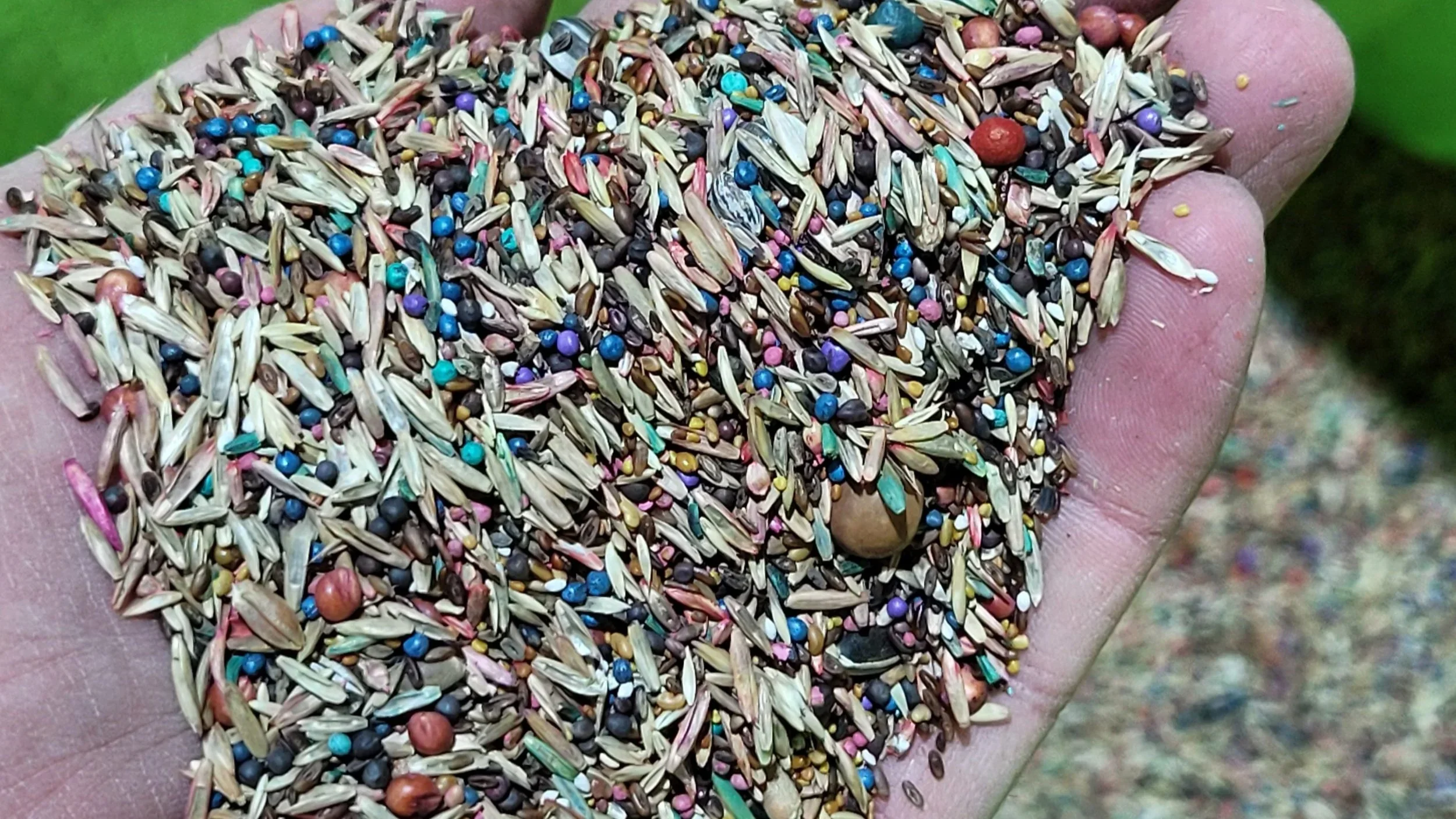
Precision blending delivers even coverage and uniform stands across the paddock.
Common Pasture Seed Mixes Used in New Zealand
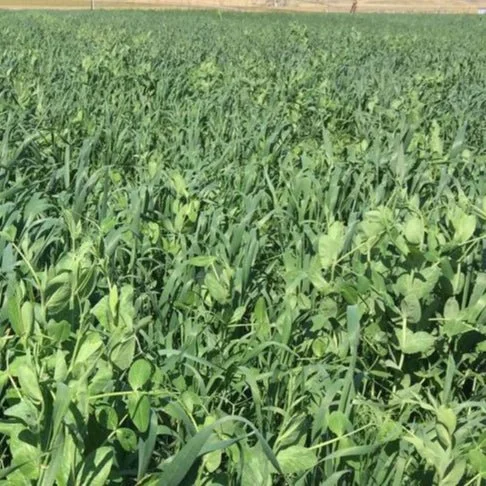
Barley / Pea Mix
Barley / Pea Mix is a fast-establishing, high-yielding forage option ideal for short-term feed, silage, green chop or filling seasonal feed gaps. Barley provides quick early bulk and energy, while peas contribute high-quality protein and help improve soil nitrogen levels. This mix is well suited to dairy, beef and sheep systems looking for rapid feed with excellent utilisation.
Typical Uses
Short-term grazing
Silage or green chop
Catch crop after winter or summer cropping
Soil conditioning and nitrogen contribution
Recommended Sowing Rate
• 180–200 kg/ha (typical mix: ~50–60% peas / 40–50% barley by weight)
Sowing Tips
Best drilled into a firm, moist seedbed
Sow 20–25 mm deep for best establishment
Ideal sowing window: spring or early autumn
Light nitrogen at establishment can help early barley growth, especially after cropping
Ready for grazing or silage in approx. 90–120 days depending on conditions
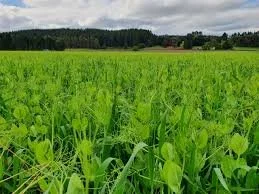
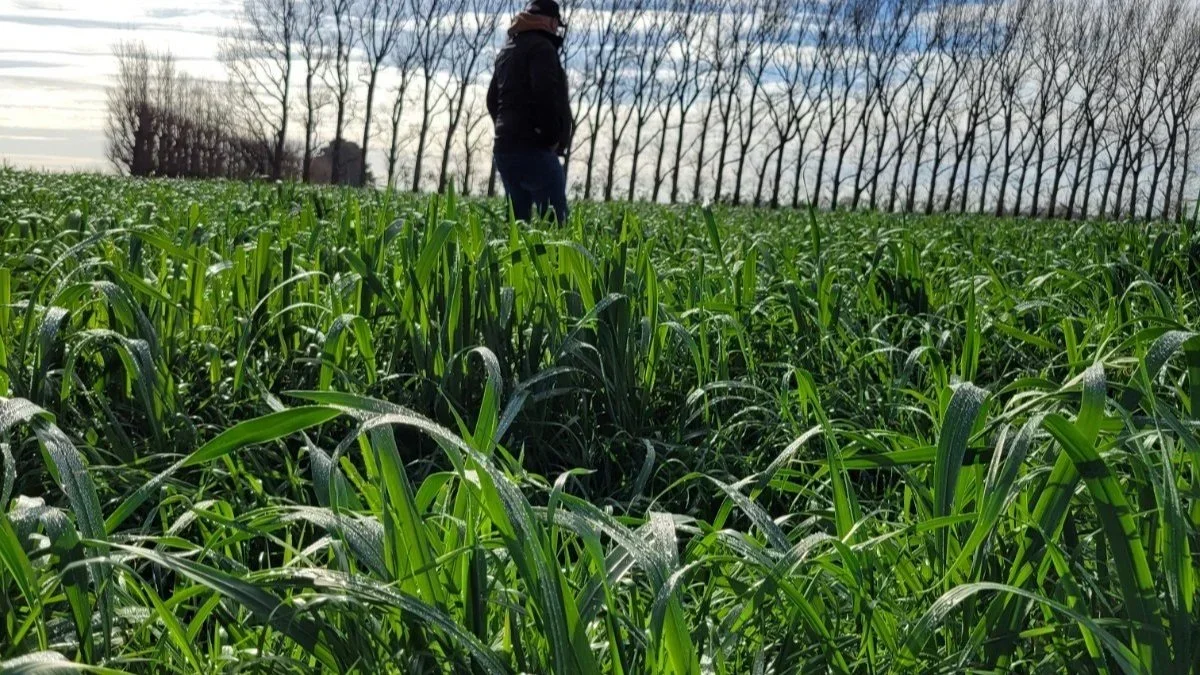
Oats / Pea Mix
The Oats / Pea Mix is a versatile, highly palatable forage option that produces excellent early bulk and quality feed. Oats provide rapid canopy development and fibre, while peas lift protein levels and improve overall feed value. This mix is popular for grazing, silage and emergency feed situations.
Typical Uses
Grazing or silage
Autumn or spring feed gaps
High-quality green feed
Flexible short-term forage option
Recommended Sowing Rate
180–220 kg/ha (commonly ~40% oats / 60% peas by weight)
Sowing Tips
Drill for best seed placement and establishment
Sow into warm soils with good moisture
Rolling after sowing improves seed-to-soil contact
Can be grazed lightly once well anchored
Typical time to graze or silage: 70–90 days
Oats / Annual Ryegrass Mix
This mix combines the fast early growth of oats with the regrowth potential of annual or Italian ryegrass. It delivers rapid feed early, followed by multiple grazing or cutting from the ryegrass component. Ideal for dairy and livestock systems needing immediate feed and winter feed with ongoing flexibility.
Typical Uses
Rapid autumn or spring feed
Multiple grazing rotations
Silage followed by grazing
Cropping or regrassing transitions
Recommended Sowing Rate
Oats: 80–100 kg/ha
Annual Ryegrass: 20–25 kg/ha
Total: 100–125 kg/ha
Sowing Tips
Drill into a clean, firm seedbed
Sow ryegrass no deeper than 10–15 mm
Nitrogen at establishment supports fast early growth
First grazing when plants are well rooted (avoid pulling)
Oats provide early bulk, ryegrass carries later grazing's and or cutting
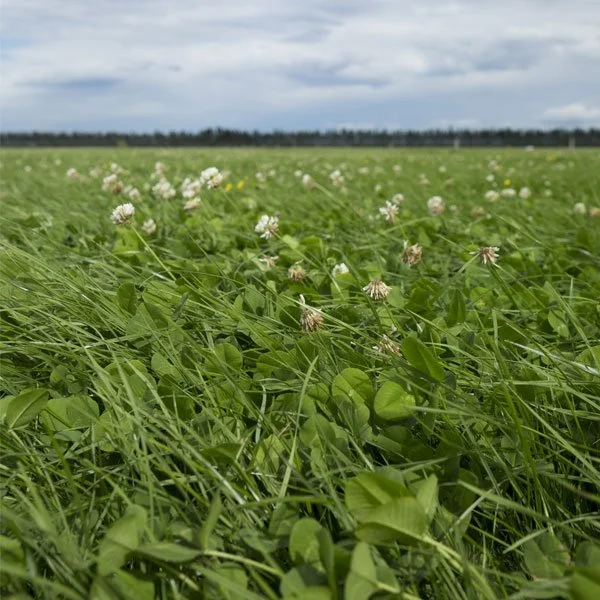
Ryegrass & White Clover Mix – Premium
The Premium Ryegrass / Clover Mix is a higher-performance pasture blend focused on production, quality and animal intake. Designed for intensive dairy and finishing systems, this mix delivers excellent feed quality, strong clover content and high utilisation.
Typical Uses
Dairy platforms
Intensive grazing systems
Finishing paddocks
Long-term high-output pastures
Recommended Sowing Rate
25–35 kg/ha
High-performance ryegrass: 22–30 kg/ha
White clover: 3–5 kg/ha
Sowing Tips
Drill into a fine, firm seedbed, direct or roller drill
Control weeds prior to sowing and following if required
Maintain grazing residuals to protect clover
Soil fertility (pH, P, K, S) and micronutrients is critical for maximum performance
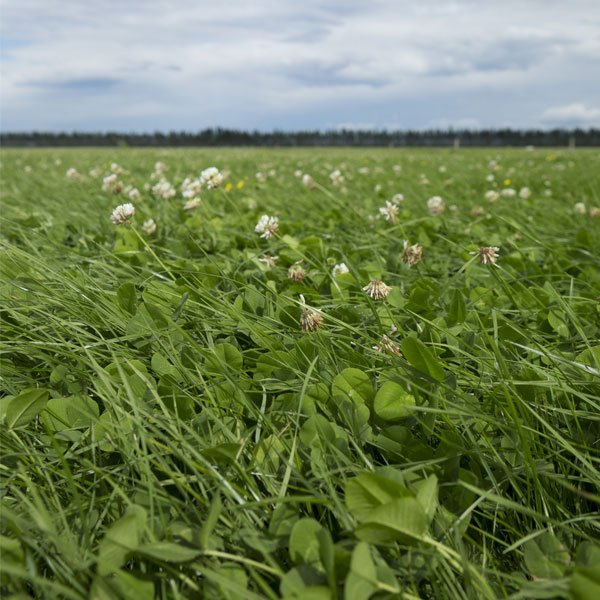
Rye/Clover Mix – Bushburn
Our Bushburn Ryegrass / Clover Mix is cheap cost option designed for challenging hill country, bushburn and lower fertility environments. This mix prioritises persistence, ground cover and resilience, delivering dependable pasture establishment in tougher conditions. (Not recommended for Diary and high production areas)
Typical Uses
Hill country and bushburn areas
Sheep and beef systems
Renovation of lower fertility paddocks
Long-term pasture stability
Recommended Sowing Rate
18–25 kg/ha total
Ryegrass mix: 20–22 kg
White clover: 3–5 kg
Sowing Tips
Suitable for oversowing, direct drilling or full cultivation or mixing with fertiliser application
Time sowing with reliable rainfall
Light grazing once established encourages tillering
Ensure soil pH and phosphorus levels are adequate for clover performance
Multi Species Mix Blends
Our Multi Species Mixes are custom designed to your requirements to help improve pasture resilience and soil health by combining Multi Species. These mixes help promote deeper rooting, improved nutrient cycling and more consistent growth across variable conditions.
From Cover crops, Summer and Winter Crops to longer term mixes of plant types that perform both above and below ground
Typical Uses
Regenerative and resilient pasture systems
Improved summer and or winter performance
Soil structure and biology improvement
Diversified grazing systems
Recommended Sowing Rate
35–150 kg/ha (rate depends on species)
Typical Components
Forage grasses
Legumes
Faba Beans
Vetch
Phacelia
Buckwheat
Mustard
Radish
Sunflower
Forage Pea
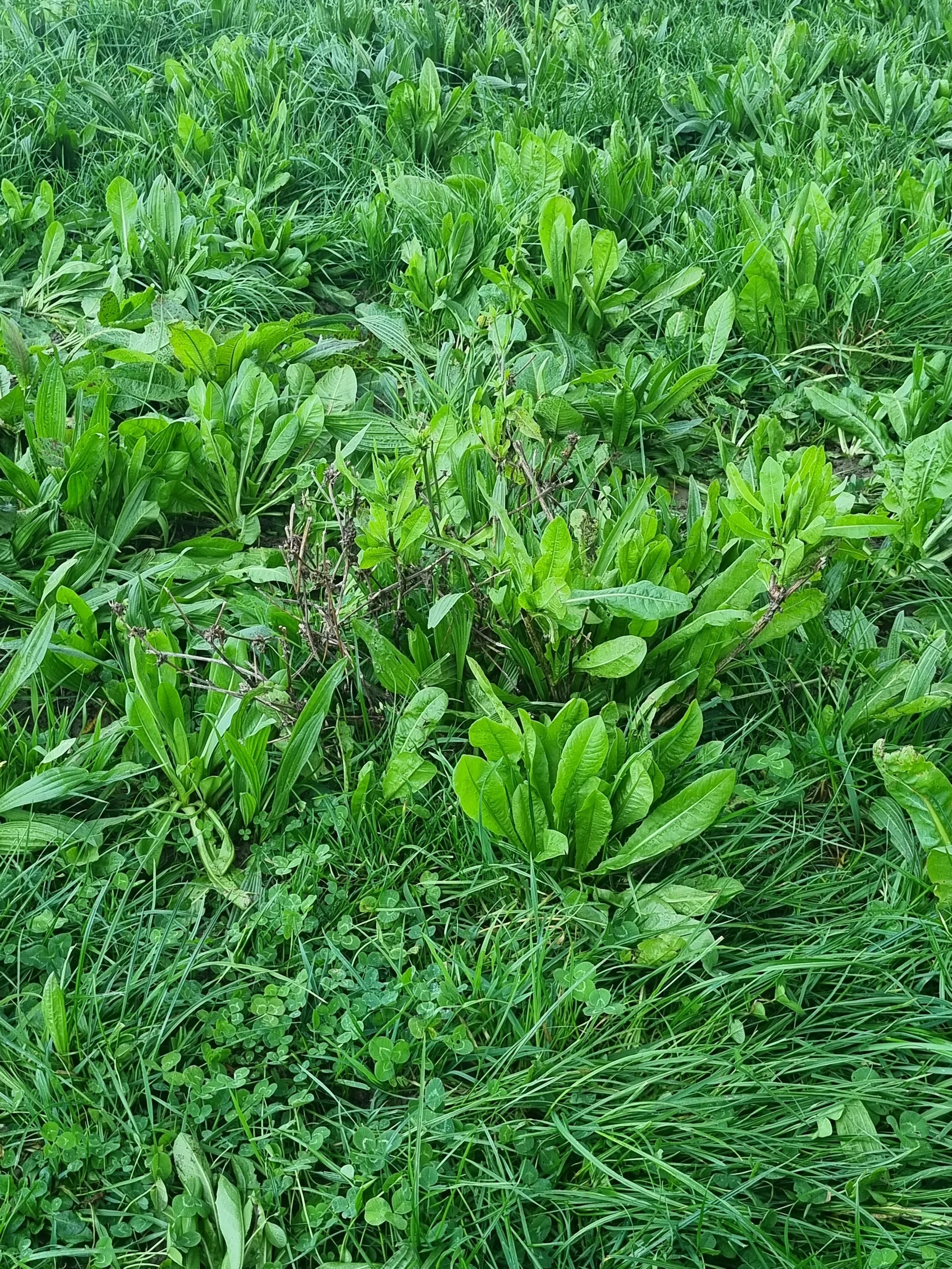
Herbs -Plantain, chicory
Etc
Sowing Tips
Avoid burying small-seeded species
Grazing management is critical – avoid overgrazing early
Soil fertility and moisture drive success
Excellent option for improving soil
Paddocks need to be weed free and have a good clean history before sowing and starting on this journey
More Common Pasture Seed Mixes Used in New Zealand
Permanent Dairy and Beef Pasture Mix
25-35 kg perennial ryegrass
3-5 kg white clover
1 kg plantain
1-2 kg red clover
Short-Med Rotation Mix
25-30 kg Abound hybrid ryegrass
3-5 kg white clover
1 kg plantain
1-2 kg red clover
Lamb Finishing Mix
25-30 kg perennial ryegrass
2-5 kg white clover
2 kg chicory
1 kg plantain
Or 10-15 kg chicory and 3-5 kg red clover
Winter Dairy or Beef Feed Mix
25 kg Dominate annual or Exalta Italian ryegrass
80-100 kg oats
Pasture Repair Mix
The Pasture Recovery Mix for Pasture Repairs and stitching-in is designed for over-sowing or under-sowing into run out or damaged pastures to restore and build up paddocks following drought, flooding, pugging, grass grub and porina damage. With a fast-establishing Italian ryegrass, longer lasting perennial and high-quality clover mix, this mix delivers quick ground cover, strong regrowth, and sustained pasture improvement.
Containing Exalta Diploid Italian, Stride tetraploid & Supremacy diploid Perennial Ryegrass, Med & Large leaf white Clover.
Or a custom mix to suit your system.
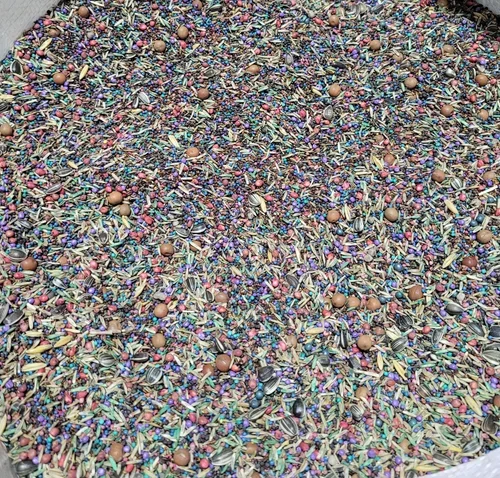
How it comes together
We start with a conversation covering farm system, paddock history, what’s worked and what hasn’t in the past, timing and targets. Resent soil tests etc, After sign-off, we blend, check and supply—ready for the drill.
Better establishment, reliable feed supply, aligned to your farm, supporting digestability, ME, persistence and animal/crop performance.
Delivery Nationwide to farm
Typical Mixes
Ryegrass with clovers and or herbs,
Hybrid or perennial ryegrass with red/white clover and plantain,
Brassicas sometimes get added to perennial mixes for that early feed required,
Annual or Italian ryegrass with annual clovers,
Forage Fescue with clovers, chicory/plantain.
Red clover and Chicory,
Annual or Italian and Oats for that Winter/Spring feed,
Multi species and regenerative seed mixes.
These are starting points—final blends are built to your requirements.
Frequently Asked Questions
What is the best pasture seed mix for dairy farms in New Zealand?
There is no single best mix, as the optimal seed blend depends entirely on your specific climate, soil type, and farming system. Most used pasture seed mix for dairy farms in New Zealand typically relies on Perennial Ryegrass and White Clover as the foundation. The ideal combination—such as high-performance tetraploid ryegrasses paired with diploid ryegrasses and clover balances year-round dry matter (DM) yield, nutritional feed quality, and sward density for grazing management
What species should be included in a pasture mix?
Common species include perennial ryegrass, hybrid ryegrass, Italian ryegrass, white clover, red clover, chicory and plantain. But many other options are available
Can Vernado custom blend seed mixes?
Yes. Vernado produces custom pasture seed blends tailored to individual farming systems and paddock requirements.
What is the difference between perennial and hybrid ryegrass?
The primary difference between perennial and hybrid ryegrass is their lifespan and growth traits. Perennial ryegrass is a long-lasting pasture grass designed to persist for 5+ years, while hybrid ryegrass (a cross between perennial and Italian ryegrass) lasts 3 to 5 years and prioritizes quicker establishment and winter growth
Can seed mixes be treated?
Yes. Seed can be treated with insecticides, fungicides, biologicals and inoculants to improve establishment.
What is the best pasture seed mix for beef and sheep farms in New Zealand?
There is no single best mix, as the best seed mix depends on your specific climate, soil type, and farming system. However, the most successful and widely used foundation for beef and sheep farms in New Zealand relies on a Perennial Ryegrass and White Clover blend, while some will add herbs, Cocksfoot, Subterranean Clover (Sub Clover) or go down the Regenerative / Mixed Species path.
What Our Customers Say
-
![A large green grass field under a blue sky with scattered clouds, with a quote about farming and grass growth overlaid in the center.]()
Dairy Farmer Foxton
-
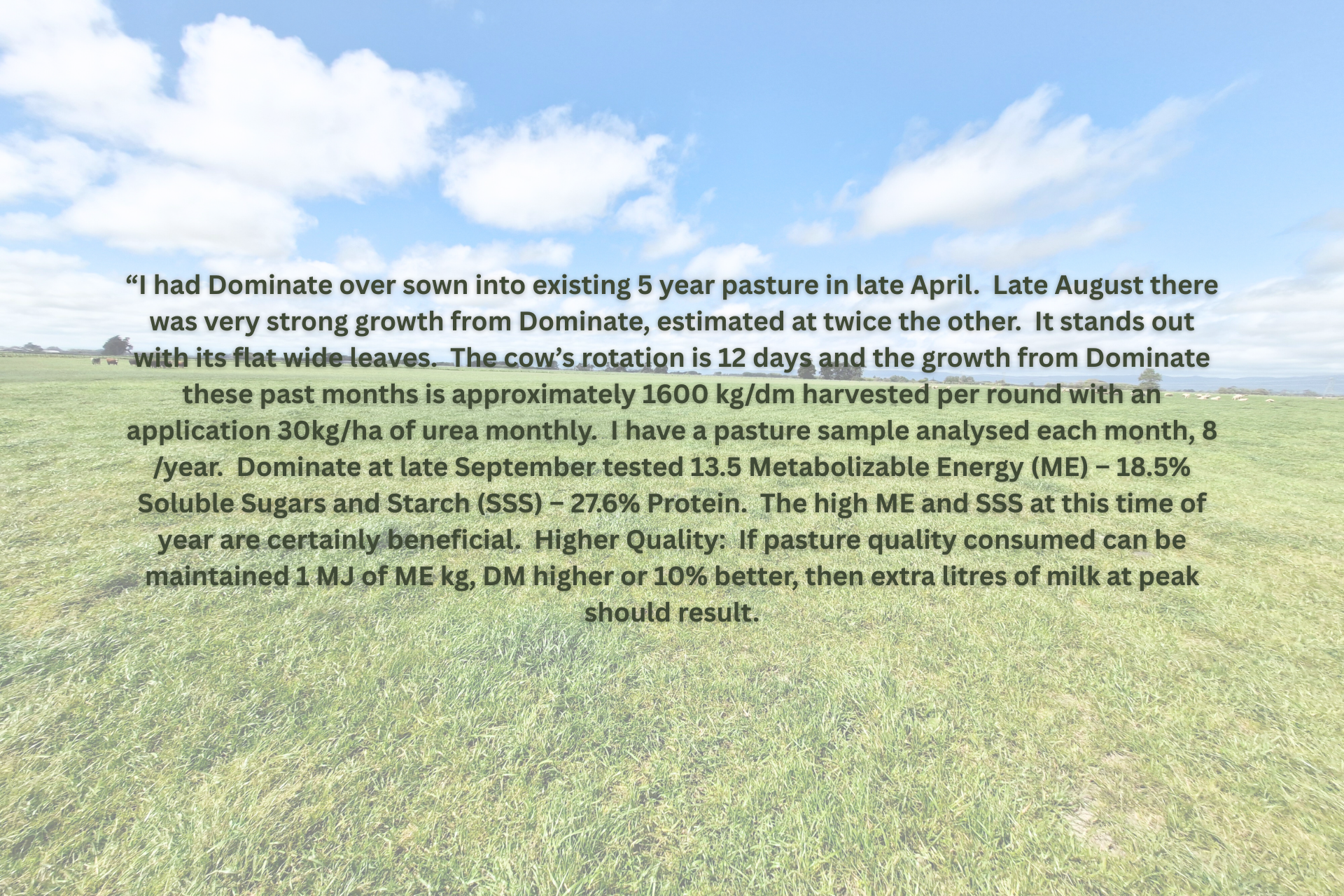
![A green pasture with a few cows in the background under a cloudy sky, featuring an overlaid paragraph of text about cow pasture growth and nutritional analysis.]()
Dairy Farmer Waikato