
Understanding Triacontanol: A Powerful Growth Stimulant for Agriculture and Horticulture
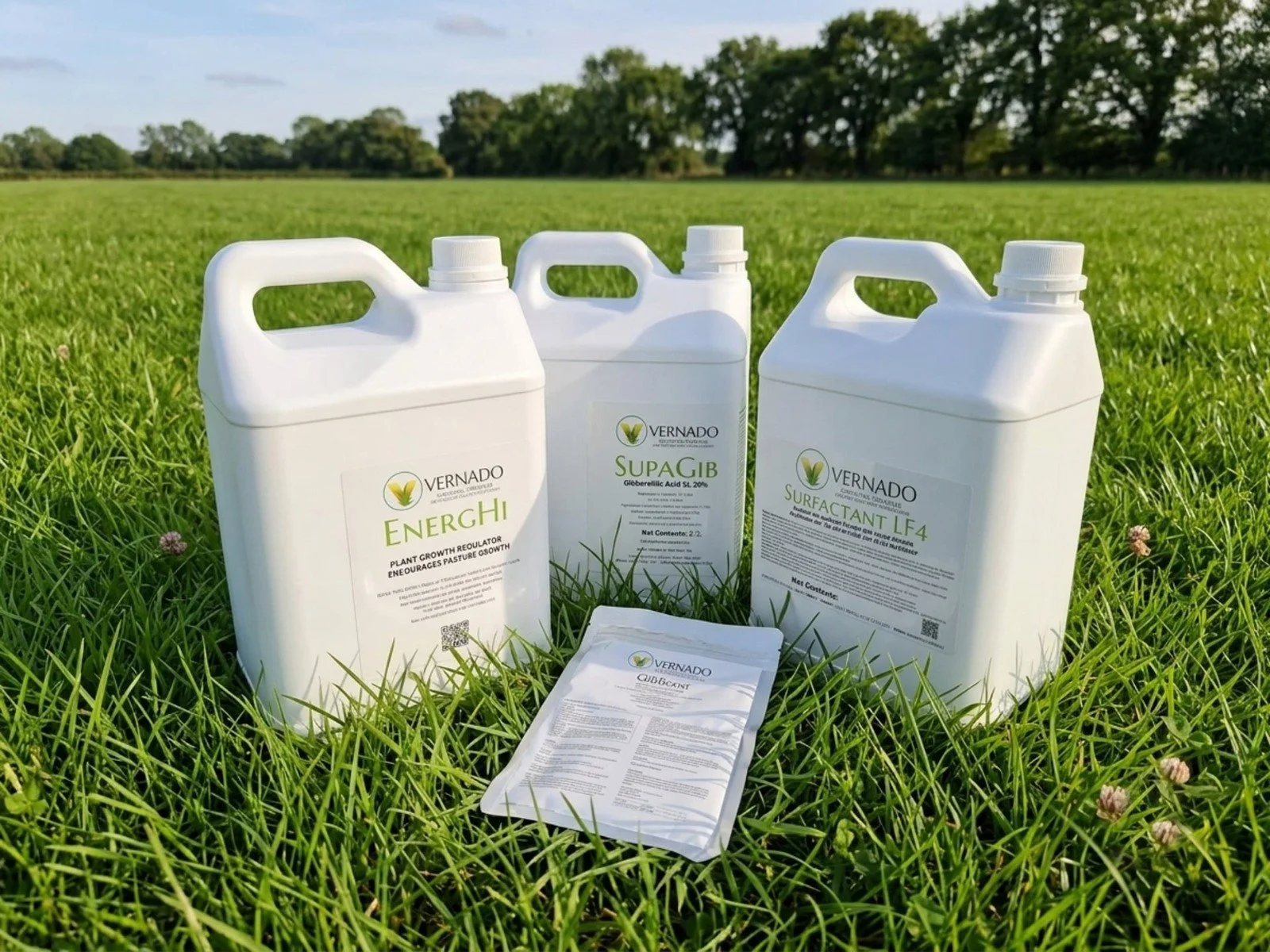
Click to find out more about our product here: EnergHi Plant Growth Regulator
In the world of farming and plant growth, there are numerous solutions available to enhance productivity and yield. Triacontanol has gained popularity due to its profound effects on plant growth, development, and overall performance. In the following we will look into some of what Triacontanol can achieve.
What is Triacontanol?
Triacontanol is a naturally occurring long-chain fatty alcohol (C30H62O) found in the waxy coating of many plants.
Natural sources include:
Alfalfa (Lucerne)
Beeswax
Rice bran wax
Sugar cane wax
Plant leaf cuticle waxes
Certain essential oils
Although it naturally occurs in tiny concentrations, Triacontanol acts as a powerful plant growth stimulant.
Unlike fertilisers, it does not directly feed the plant.
Instead, it helps plants use sunlight, nutrients and water more efficiently by stimulating natural physiological processes already occurring within the plant.
Because it is naturally derived, has extremely low toxicity and is required at only very low application rates, Triacontanol is recognised as an environmentally responsible plant biostimulant.
Is Triacontanol a Fertiliser?
No.
This is one of the biggest misconceptions.
A fertiliser supplies nutrients such as:
Nitrogen
Phosphorus
Potassium
Sulphur
Calcium
Magnesium
Trace elements
Triacontanol supplies virtually no nutrition.
Instead, it helps plants make better use of existing nutrients.
Think of it like improving the efficiency of an engine rather than adding more fuel.
When used alongside a sound fertiliser programme, plants often respond more rapidly because they are photosynthesising more efficiently and moving nutrients throughout the plant more effectively.
Is Triacontanol a Plant Growth Regulator or a Biostimulant?
It is often described as both.
Unlike synthetic growth regulators that manipulate one hormone pathway, Triacontanol works by stimulating multiple natural metabolic pathways.
Many researchers therefore classify it as a natural plant biostimulant.
Its effects include:
Increased photosynthesis
Improved enzyme activity
Increased chlorophyll production
Better nutrient movement
Greater protein synthesis
Enhanced carbohydrate production
Stronger root systems
Improved stress recovery
How Does Triacontanol Work?
One of the reasons Triacontanol has received so much scientific attention is that it influences numerous biological processes simultaneously.
1. Increases Photosynthesis
Photosynthesis drives all plant growth.
Triacontanol increases the efficiency with which leaves convert sunlight into energy.
Research has shown improvements in:
Chlorophyll content
Carbon dioxide fixation
Sugar production
Dry matter accumulation
Greater photosynthesis means more energy is available for leaf production, tillering, flowering, grain filling and root development.
2. Stimulates Root Development
Healthy roots underpin productive crops.
Triacontanol encourages:
Faster root initiation
Increased root branching
Greater root length
Improved root density
This enables plants to explore more soil volume, improving both water and nutrient uptake.
3. Improves Nutrient Uptake
Plants can only use nutrients they absorb.
Triacontanol helps improve nutrient use efficiency by enhancing membrane activity and increasing the plant's metabolic demand for nutrients.
This can improve the utilisation of:
Nitrogen
Phosphorus
Potassium
Calcium
Magnesium
Sulphur
Trace elements
The result is often stronger growth from the same fertiliser investment.
4. Encourages Faster Growth
Plants treated with Triacontanol frequently exhibit:
Faster establishment
Earlier canopy closure
Increased tillering
More branching
Larger leaf area
Greater biomass production
These responses contribute to higher dry matter production and improved crop competitiveness.
5. Improves Plant Stress Tolerance
Modern farming regularly exposes plants to environmental stress.
Triacontanol can help plants better tolerate:
Drought
Heat stress
Cold conditions
Frost recovery
Waterlogging recovery
Transplant shock
Salinity
General environmental stress
Healthier plants generally recover more quickly after adverse weather events.
6. Supports Flowering and Fruit Development
Many horticultural growers use Triacontanol because of its effects on reproductive growth.
Benefits may include:
More flowers
Improved fruit set
Better fruit retention
Larger fruit
Improved fruit quality
Better uniformity
Proven Benefits of Triacontanol
Across multiple crop types, reported benefits include:
Increased crop yield
Improved pasture production
Enhanced root development
Better chlorophyll production
Improved nutrient uptake
Faster recovery after grazing
Greater drought resilience
Higher biomass production
Increased tillering
Improved crop uniformity
Better seedling establishment
Enhanced fertiliser efficiency
Greater plant vigour
Crops That Respond Well to Triacontanol
Triacontanol has been successfully used across many industries.
Pasture
Ryegrass
Clover
Chicory
Plantain
Lucerne
Multi-species pastures
Arable Crops
Wheat
Barley
Oats
Maize
Rye
Canola
Vegetable Crops
Potatoes
Carrots
Onions
Brassicas
Tomatoes
Capsicums
Cucumbers
Lettuce
Fruit Crops
Apples
Kiwifruit
Grapes
Citrus
Avocados
Berries
Stone fruit
Other Industries
Turf
Golf courses
Sports fields
Nurseries
Greenhouses
Hydroponics
Forestry
Triacontanol in New Zealand Pasture Systems
Pasture farmers are increasingly interested in products that improve pasture growth without relying solely on higher nitrogen applications.
When integrated into a balanced nutrition programme, Triacontanol can help support:
Faster pasture recovery after grazing
Improved leaf area
Greater photosynthetic activity
Enhanced nitrogen utilisation
Stronger root growth
Increased dry matter production
It is particularly valuable during periods when every extra kilogram of pasture grown reduces the need for purchased supplementary feed.
Can Triacontanol Replace Fertiliser?
No.
Healthy soils remain the foundation of productive farming.
Triacontanol performs best when plants already have access to adequate:
Soil fertility
Moisture
Sunlight
Good grazing management
Balanced nutrition
It should be viewed as a way to improve the return on your fertiliser investment rather than replace it.
Best Time to Apply Triacontanol
Maximum response is generally achieved when applied little and often.
Application during periods of active photosynthesis allows plants to fully utilise the additional metabolic stimulation.
Many growers apply Triacontanol:
During rapid vegetative growth
During cooler conditions to encourge plant uptake
Following grazing
Following cutting
Before flowering
During periods of high nutrient demand
Avoid applications when plants are severely moisture stressed or dormant.
Can Triacontanol Be Mixed With Other Products?
Yes.
Triacontanol is commonly used alongside:
Liquid nitrogen
Foliar fertilisers
Seaweed extracts
Humates
Trace elements
Gibberellic acid
Wetting agents and surfactants
These combinations often complement one another by improving nutrient uptake and overall plant performance.
Always follow label recommendations and conduct a jar compatibility test before tank mixing.
Limitations of Triacontanol
Like any plant biostimulant, Triacontanol is not a miracle product.
Results depend on:
Soil fertility
Moisture availability
Temperature
Crop health
Application timing
Overall crop management
Plants suffering severe nutrient deficiencies or prolonged drought will require those underlying issues to be addressed before achieving their full potential.
Frequently Asked Questions
Is Triacontanol organic?
Naturally derived Triacontanol originates from plant waxes and other natural sources. Whether a product is certified for organic production depends on the formulation and local certification requirements.
Does Triacontanol increase crop yield?
Numerous published studies have reported yield improvements across cereals, vegetables, forage crops, fruit crops and turf when applied correctly under suitable growing conditions.
Is Triacontanol safe?
Yes. Triacontanol has very low toxicity and is used at extremely low application rates.
Can Triacontanol be used on pasture?
Yes. Many pasture managers use Triacontanol to stimulate growth, improve recovery after grazing and support greater dry matter production as part of a balanced nutrition programme.
Does Triacontanol work with liquid fertiliser?
Yes. It is commonly combined with liquid nitrogen, foliar nutrients, seaweed extracts and other biostimulants to maximise plant response.
Triacontanol Products from Vernado
At Vernado, our EnergHi formulation supplies Triacontanol as part of a practical programme to help improve plant growth, pasture performance and nutrient use efficiency.
For even greater pasture response, EnergHi is often used alongside:
GibBoost (Gibberellic Acid)
Liquid Nitrogen
Quality surfactants and spray adjuvants
When combined with good soil fertility and sound grazing management, these products can help maximise pasture growth during key periods of the season.

Comparison table: Triacontanol vs Gibberellic Acid vs Liquid N
What Does the Scientific Research Say About Triacontanol?
Triacontanol is one of the most extensively researched naturally occurring plant growth stimulants available today. Since its discovery as a plant growth regulator in the late 1970s, hundreds of scientific studies have investigated its effects on crop growth, photosynthesis, nutrient uptake, stress tolerance and yield across cereals, forage crops, vegetables, fruit crops and ornamental plants.
While responses vary depending on crop species, environmental conditions and application timing, the overall body of research consistently shows that Triacontanol can improve plant performance when used as part of a balanced crop nutrition programme.
Further information can be found here:
Product Main Purpose Best Used For
Triacontanol Increase photosynthesis Overall plant growth and health
Gibberellic Acid Cell elongation Fast winter pasture growth
Seaweed Reduce stress Recovery and resilience
Humates Improve soil biology Nutrient efficiency
Liquid Nitrogen Nitrogen supply Rapid availability
How Does Triacontanol Enhance Plant Growth and Yield?
Triacontanol works at a physiological level to improve plant health and productivity in multiple ways:
1. Enhanced Photosynthesis and Chlorophyll Production
Triacontanol acts as a powerful photosynthesis booster, increasing the efficiency of light energy conversion into chemical energy. This leads to:
Improved carbon dioxide assimilation.
Enhanced chlorophyll synthesis.
Increased plant vigor, leading to higher crop yields and improved quality.
2. Accelerated Growth and Development
When applied correctly, triacontanol accelerates plant growth by promoting:
Faster germination.
Increased root development for better nutrient uptake.
Enhanced shoot elongation and overall plant structure.
3. Stress Resistance and Hormonal Regulation
Triacontanol helps plants combat environmental stresses such as:
Drought and water scarcity.
Extreme temperature fluctuations.
Disease pressure and pest attacks.
It regulates plant hormones by increasing the production of stress-related hormones like abscisic acid (ABA) while promoting beneficial hormones such as cytokinins, auxins, and gibberellins, leading to stronger, more resilient plants.
4. Improved Nutrient Uptake and Fertilizer Efficiency
Triacontanol enhances nutrient absorption by increasing cell membrane permeability, allowing plants to:
Absorb essential minerals more efficiently.
Optimize nutrient utilization, reducing fertilizer costs.
Develop healthier root systems for better soil interaction.
How and When to Apply Triacontanol for Best Results
Triacontanol is most effective when applied as a foliar spray, soil drench, or seed treatment. The method and timing depend on the crop type and growth stage.
1. Foliar Spray:
Apply during early morning or late afternoon to maximize absorption.
Use a diluted solution (0.1 to 10 mg/L or ppm) depending on plant species.
Repeat applications at recommended intervals for sustained benefits.
2. Soil Drench:
Best for nursery plants, hydroponics, and field crops.
Encourages deeper root development and improved water absorption.
3. Seed Treatment:
Seeds can be soaked in a triacontanol solution before planting.
Enhances seed germination and early plant vigor.
Best Practices for Using Triacontanol in Farming
Follow the recommended dosage and application frequency as per manufacturer guidelines.
Combine with fertilizers or biostimulants for improved efficiency.
Apply in favorable weather conditions for maximum plant absorption.
Monitor crop response and adjust application rates accordingly.
Conclusion: Why Farmers Should Use Triacontanol
When used correctly, triacontanol offers multiple benefits for plant growth and agricultural productivity. Its ability to enhance photosynthesis, stimulate root and shoot development, improve stress resistance, and optimize nutrient uptake makes it a valuable tool for modern farming.
By incorporating triacontanol into their crop management practices, farmers can improve crop yields, plant health, and overall farm profitability. Whether used in greenhouse production, hydroponics, or conventional agriculture, triacontanol is a proven plant growth regulator that can lead to stronger plants, higher yields, and better-quality produce.
For best results, always follow recommended application guidelines and consult agricultural experts for crop-specific advice.
Our product EnergHi is Triacontanol:
For best results for pasture growth it is recommended that Triacontanol is applied with Gibberellic acid
If you’d like to have a chat on this further, click the button below:

Comparison Photo: Triacontanol, Gibberellic Acid and Liquid N vs Conrol