
Autumn Sowing Winter bulk feed and spring Grass
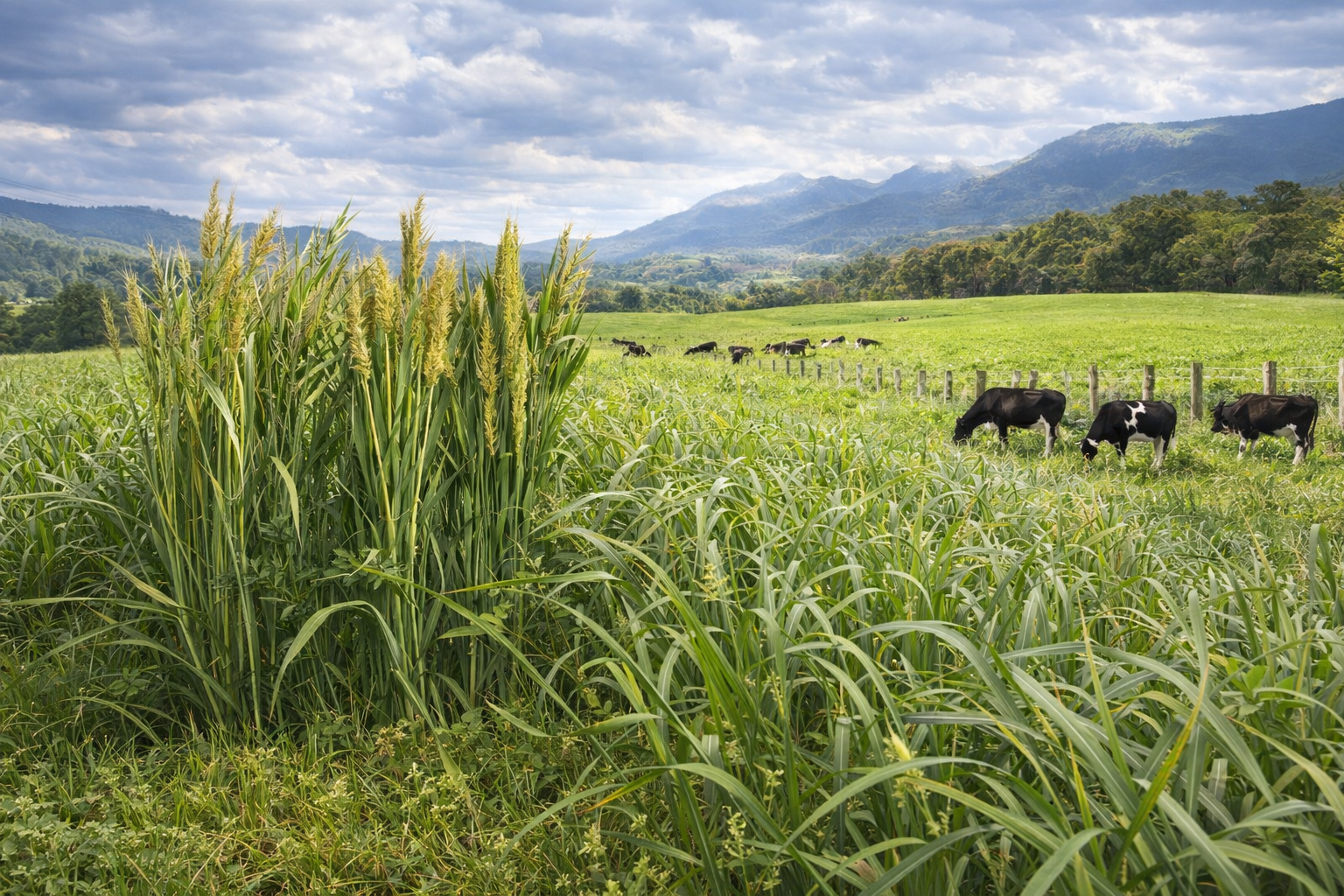
Cereals and Annual / Italian Ryegrass
Forage Oats, Grazing Barley, Ryecorn, and Triticale can all be sown with Annual Ryegrass, and each combination offers different benefits for winter and spring feed in New Zealand.
How These Cereals Work with Annual Ryegrass
Crop Growth Speed Winter Production Spring Growth Best Use
Forage Oats Fast High Moderate Quick winter feed, silage
Grazing Barley Fast Moderate Low Early grazing, high energy
Ryecorn Moderate High Moderate Cold-tolerant winter grazing
Triticale Moderate Moderate High Late winter–early spring grazing
Annual Ryegrass Slow Moderate Very High Spring-quality feed, strong regrowth
Benefits of Sowing These Cereals with Annual Ryegrass
✅ Early Feed Supply: Cereals establish quickly and provide early grazing in winter before annual ryegrass kicks in.
✅ Extended Grazing Window: Annual ryegrass takes over as cereals finish in late winter–early spring.
✅ Increased Total Dry Matter: The mix provides better overall yield than planting a single species.
✅ Soil Protection & Weed Suppression: The combination forms a dense canopy, reducing weeds and preventing soil erosion.
Sowing Recommendations
Timing: Late summer to early autumn (February–April).
Seeding Rates (per hectare):
Forage Oats: 80-100 kg/ha
Grazing Barley: 60–80 kg/ha
Ryecorn: 80-100 kg/ha
Triticale: 60–90 kg/ha
Annual or Italian Ryegrass: 20-25 kg/ha
Sowing Depth: 10-20mm
Soil and SAP test and Fertiliser as required
Grazing Management
Rotate stock to avoid overgrazing, leaving a 6–10 cm residual for regrowth.
Ryegrass will take over in late winter and spring as cereals slow down.
Best Mix for Your Needs
For Early Winter Feed: Forage Oats + Grazing Barley + Ryegrass.
For Cold-Tolerant Grazing: Ryecorn + Annual Ryegrass.
For a Long Grazing Season: Triticale + Ryegrass.
The success of mixing Forage Oats, Grazing Barley, Ryecorn, Triticale, and Annual Ryegrass in New Zealand depends on regional climate, soil type, and farm system. Here’s how these options perform in different regions:
Regional Suitability of These Forage Mixes
Region Forage Oats Grazing Barley Ryecorn Triticale Annual Ryegrass Best Mix
**Northland (Warm, humid)** Good Poor (prefers drier conditions) Good Good Good Ryecorn + Triticale + Annual Ryegrass
**Waikato / Bay of Plenty (Mild, wet)** Good Moderate (wet risk) Good Good Excellent Oats + Triticale + Ryegrass
**Taranaki (Wet, mild winters)** Good Moderate (wet risk) Good Good Excellent Oats + Ryegrass
**Hawke’s Bay (Drier, cooler winters)** Excellent Good Good Good Good Oats + Barley + Ryegrass
**Manawatū / Wellington (Mild, wet)** Good Moderate (wet risk) Good Good Excellent Oats + Triticale + Ryegrass
**Canterbury (Cold winters, dry summers)** Excellent Good Excellent Good Good Ryecorn + Barley + Ryegrass
**Otago / Southland (Cold winters, short growing season)** Good Poor (cold limits growth) Excellent Excellent Good Ryecorn + Triticale + Ryegrass
Considerations for Different Regions
1. Warm & Humid Areas (Northland, Bay of Plenty, Taranaki)
Best options: Ryecorn, Triticale, and Annual Ryegrass
Avoid: Grazing Barley (struggles with humidity and disease)
2. Wet & Mild Areas (Waikato, Manawatu, Taranaki)
Best options: Oats, Triticale, Annual Ryegrass
Risk: Grazing Barley can struggle in waterlogged soils
3. Dry & Cold Areas (Canterbury, Otago, Southland)
Best options: Ryecorn, Triticale, Annual Ryegrass
Avoid: Grazing Barley (slow growth in cold)
4. Drier Inland Areas (Hawke’s Bay, Canterbury)
Best options: Oats, Barley, Ryecorn, Annual Ryegrass
Well-suited for: Barley and Oats due to their drought tolerance
Conclusion: Tailoring the Mix to Your Region
North Island Dairy: Oats + Triticale + Annual Ryegrass for steady winter growth
Dryland Sheep/Beef (East Coast & Canterbury): Barley + Oats + Ryegrass for drought tolerance
Cold South Island Pastures: Ryecorn + Triticale + Annual Ryegrass for extended grazing