
Summer Grazing Management in NZ: How to Build a Strong Autumn & Winter Feed Bank
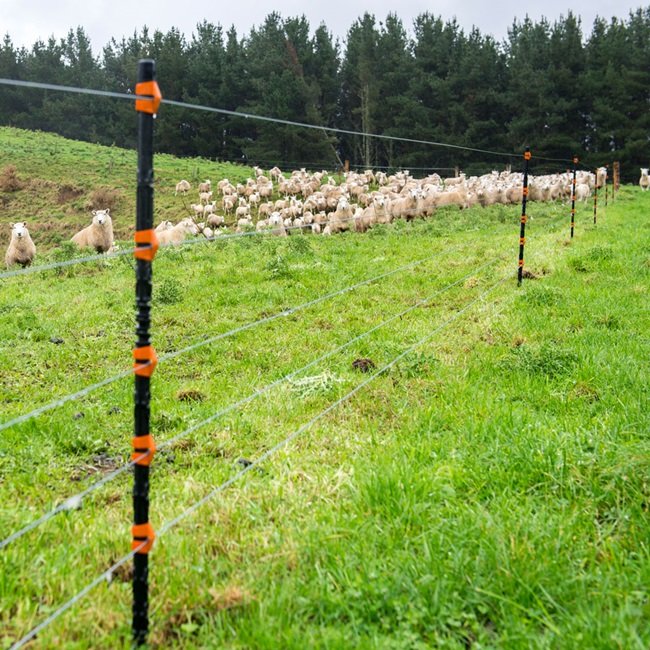
Why Summer Grazing Determines Autumn Feed
In New Zealand pastoral systems, autumn pasture growth doesn’t happen by accident. The amount and quality of feed available in March–May is largely determined by how pasture is managed during summer.
Across dairy, sheep, beef, and deer farms, the same rule applies:
Pasture recovery in autumn is earned during summer.
Heat, moisture stress, and slower leaf emergence mean pasture needs protection, not pressure. Smart summer grazing builds a feed bank that reduces reliance on supplements and improves system resilience heading into winter.
1. Rotational Grazing: Slow the Round to Grow More Feed
During summer, pasture growth rates slow due to reduced moisture and higher soil temperatures. Continuing spring-style rotations is one of the fastest ways to burn out pasture.
Best practice summer grazing includes:
Rotational grazing with stock moved every few days
Extending rotation length to allow adequate regrowth
Grazing closer to the three-leaf stage rather than fixed dates
Slowing the rotation in late spring and early summer is one of the most effective tools for increasing autumn feed supply.
2. Residual Management: Graze Clean, But Not Too Short
Pasture plants store energy in the lower 4 -5cm of the sward. Over-grazing during summer strips these reserves, delaying regrowth once autumn rain arrives.
Recommended summer residuals:
1,500–1,700 kg DM/ha (≈ 4 cm)
Low enough to maintain quality
High enough to protect ryegrass crowns and soil moisture
Consistent residuals also reduce weed invasion, pasture death, and facial eczema risk in high-risk regions.
3. Reduce Heat & Moisture Stress
Leaving adequate residual cover provides shade and insulation for soil and roots.
Benefits include:
Reduced soil temperature spikes
Better root survival during dry periods
Faster pasture response when moisture returns
Improved clover survival for autumn nitrogen fixation
When covers fall below 1,500 kg DM/ha, introducing supplements early can protect pasture and maintain future feed supply.
4. Feed Budgeting: Build a Summer Feed Bank
A feed budget allows farmers to plan winter demand and work backwards through summer and autumn.
A simple feed budget helps answer:
How much feed is required by winter?
Which paddocks will supply that feed?
Where can pressure be reduced early (culling, drying off, supplements)?
Farms that actively build a feed bank over summer are far less exposed to expensive supplementary feeding later in the season.
5. Strategic Cropping for Feed Gaps
Where pasture supply is limited, summer or autumn crops can help fill gaps.
Common options include:
Forage rape or turnips
Chicory and plantain
Green feed maize or sorghum for later sowing
Crops should generally make up no more than 70% of the diet, with fibre supplied to reduce metabolic and bloat risks.
6. Soil Fertility & Nitrogen Management
Good pasture performance starts below ground.
Key considerations:
Soil testing for pH, P, S, K, and trace elements
Applying lime where pH is below 5.5
Nitrogen applications only where soil moisture supports growth
Addressing compaction and weed pressure early
Deferred grazing can also improve ryegrass density and pasture persistence heading into autumn.
7. Preparing for Autumn Pasture Renewal
If pasture renewal is planned for February–April, early preparation is critical.
Ask yourself:
Which paddocks underperformed last season?
Is a perennial, hybrid, or annual pasture best suited?
Is seed secured for the optimal sowing window?
Early planning leads to better establishment, stronger autumn growth, and improved return on investment.
👉 Explore our 2026 pasture seed options here: https://www.vernado.co.nz/our-seeds
Final Thought
Summer pasture management isn’t just about getting through the dry months — it’s about setting up the entire year ahead. By managing rotations, residuals, fertility, and feed supply now, farmers can enter autumn with stronger pastures, more flexibility, and lower costs.